텍스텀 클럽(Textum Club)은 패션비평과 관련된 프랙티스와 출판을 위한 연구모임입니다. 직물을 뜻하는 ‘textile’과 글을 의미하는 ‘text’의 공통 어원인 ‘엮다’는 뜻을 가진 텍스텀 클럽은 패션 비평 아카이브로써 비평적 패션(Critical Fashion) 관련 국내외의 도서를 소개합니다.
비평적 패션 프로젝트 및 담론의 지속적 연구와 확산을 위해 전시, 출판, 연구, 워크숍 등 다양한 활동을 추진하여 국내외의 디자이너, 예술가, 연구자, 패션종사자의 네트워크장으로써 기능하고자 합니다.
Textum Club is a research group dedicated to practices and publishing in fashion criticism based in Seoul. Derived from the common roots of 'textile' and 'text,' meaning 'to weave,' Textum Club introduces books and articles related to critical fashion as part of its fashion criticism archive.
It aims to serve as a networking platform for designers, artists, researchers, and fashion practitioners globally through various activities including exhibitions, publishing, research, and workshops.
テキスタムクラブ(Textum Club)は、ファッション批評に関する実践と出版のためのリサーチグループです。布地を意味する「textile」と、文章を意味する「text」という言葉の共通の語源である「編む(texere)」という概念に基づくテキスタムクラブは、ファッション批評のアーカイブとして、クリティカル・ファッション(Critical Fashion)に関連する各国の書籍を紹介しています。
批評的ファッションのプロジェクトやディスコースの継続的な研究と普及を目指し、展覧会、出版、リサーチ、ワークショップなど多様な活動を展開しながら、各国のデザイナー、アーティスト、研究者、ファッション関係者のネットワークの場として機能することを目指しています。
-
김서희는 세히쿄(SEHIKYO) 프로젝트를 운영하며, 옷이 언제, 어떻게 이미지가 되는가라는 질문을 중심으로 제작과 착용을 하나의 연속된 과정으로 탐구합니다. 런던 칼리지 오브 패션(BA)과 영국 왕립예술학교(MA)에서 패션 디자인을 전공했으며, 전시, 워크숍, 프레젠테이션을 통해 옷이 개인적·사회적 경험의 장으로 작동하는 가능성을 이어 탐구해왔습니다. 현재 도쿄예술대학교 미술연구과에서 박사과정을 진행 중입니다.
Seohee Kim runs the SEHIKYO project, exploring making and wearing as a single continuous process centered on the question of when and how a garment becomes an image. She studied fashion design at London College of Fashion (BA) and the Royal College of Art (MA), and has continued to investigate the potential of clothing as a site where personal and social experience takes shape, through exhibitions, workshops, and presentations. She is currently a doctoral candidate at Tokyo University of the Arts, Graduate School of Fine Arts. More information about her work can be found at www.sehikyo.org.
キム・ソヒはSEHIKYOプロジェクトを主宰し、服はいつ、どのようにしてイメージになるのかという問いを中心に、制作と着用を一続きのプロセスとして探求しています。ロンドン・カレッジ・オブ・ファッション(BA)およびロイヤル・カレッジ・オブ・アート(MA)でファッションデザインを専攻し、展示、ワークショップ、プレゼンテーションを通じて、服が個人的・社会的な経験の場として機能する可能性を探り続けてきました。現在は東京藝術大学大学院美術研究科にて博士課程に在籍しています。
-
김연우는 큐레이터, 연구자, 제작자로 활동하고 있으며, 텍스텀 클럽의 공동 창립자로서 패션 비평과 관련된 연구, 전시, 출판 활동을 수행하고 있습니다. 그녀는 2023 청주 공예 비엔날레를 비롯하여 서울과 제주에서 공예와 예술 관련 다양한 전시를 큐레이션했습니다. 연세대학교에서 철학과 의류환경을 공부한 후, 센트럴 세인트 마틴과 영국 왕립 예술 대학교에서 패션을 전공했습니다. 그녀는 패션 현상의 철학적 분석에 대한 이론과 실천을 연구하며, 패션에 대한 대안적인 시각을 제공하고자 합니다.
Yeonwoo Kim works as a curator, researcher, and maker, and is a co-founder of Textum Club, where she engages in research, exhibitions, and publishing related to fashion criticism. She has curated various craft and art exhibitions in cities including Seoul and Jeju, notably the 2023 Cheongju Craft Biennale. After studying philosophy and clothing environment at Yonsei University, she pursued fashion at Central Saint Martins and the Royal College of Art in the UK. She researches the theory and practice of philosophical analysis of fashion phenomena, aiming to provide an alternative perspective on fashion. More details about her work and contributions can be found on the www.fashionknowledgehoarder.com
キム・ヨヌはキュレーター、研究者、そしてクリエイターとして活動しており、テキスタムクラブの共同設立者として、ファッション批評に関するリサーチ、展覧会、出版活動を行っています。彼女は2023年の清州工芸ビエンナーレを含め、ソウルや済州で工芸とアートに関する様々な展覧会をキュレーションしてきました。延世大学で哲学と衣類環境を学んだ後、セントラル・セント・マーチンズおよび英国王立芸術大学でファッションを専攻しました。彼女はファッション現象の哲学的分析に関する理論と実践を研究し、ファッションに対する新たな視点を提示することを目指しています。www.fashionknowledgehoarder.com
-
황혜림은 시각예술 및 공예 분야에서 활동중인 큐레이터입니다. 분단, 장애, 게임, 웹툰 등 경계에 머무는 것들에 대해 많은 관심을 갖고, 연구 및 전시 활동에 참여하고 있습니다.
Hwang Hyerim is a curator active in the fields of visual arts and crafts. She has a keen interest in topics residing at boundaries such as division, disability, gaming, and webtoons, and is involved in research and curatorial projects related to these themes.
ファン・ヘリムは、視覚芸術および工芸の分野で活動しているキュレーターです。分断、障害、ゲーム、ウェブトゥーンなど、境界にとどまるものごとに強い関心を持ち、リサーチや展覧会の活動に取り組んでいます。
-
텍스텀 클럽의 활동에 관심이 있는 여러분의 참여를 환영합니다! 패션과 관련된 책이나 주제를 추천해주세요. 또한 문의사항이 있다면 언제든지 저희에게 메일을 보내주세요.
We welcome your participation in Textum Club’s activities! Please recommend books or topics related to fashion that interest you. If you have any questions, feel free to email us at any time.
テキスタムクラブの活動にご関心のある皆さまのご参加を心よりお待ちしております。ファッションに関する書籍やテーマのご推薦もぜひお寄せください。ご質問などがありましたら、いつでもお気軽にメールでご連絡ください。
textum.club@gmail.com
@textum.club
textum.club@gmail.com
@textum.club
textum.club@gmail.com
@textum.club
패션은 예술이(아니)다
Fashion is (not) art
Fashion is (not) art
2021년 파리에서 시작되어 이후 여러 도시로 확장된 마르지엘라(Martin Margiela)의 전시를 접하며, 나는 작품보다 그것을 둘러싼 텍스트들을 먼저 읽었다. 전시에 대한 반응은 대체로 두 방향으로 갈렸다. 예술계에서는 이를 이미 소진된 언어의 반복으로 비판하는 시선이 존재했던 반면, 패션계에서는 기존 작업의 연장선상에서 다른 매체로 확장된 것으로 읽는 경향이 강했다. 이 간극은 텍스트 안에서 이해되기보다, 도쿄의 쿠단 하우스(Kudan House)에 들어섰을 때 비로소 감각으로 드러났다.
©Textumclub
©Textumclub
©Textumclub
설계된 공간, 편입된 관람자
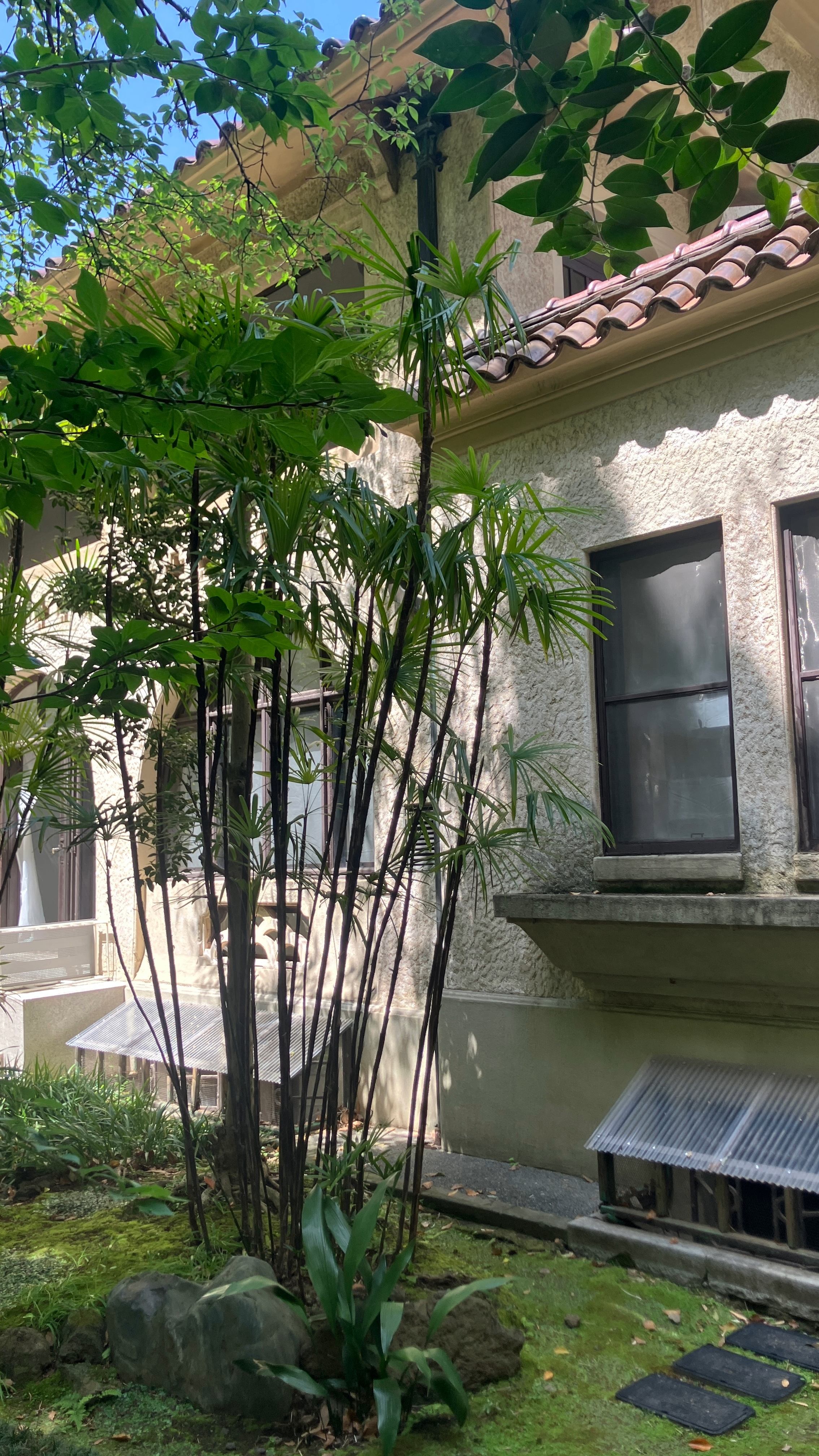
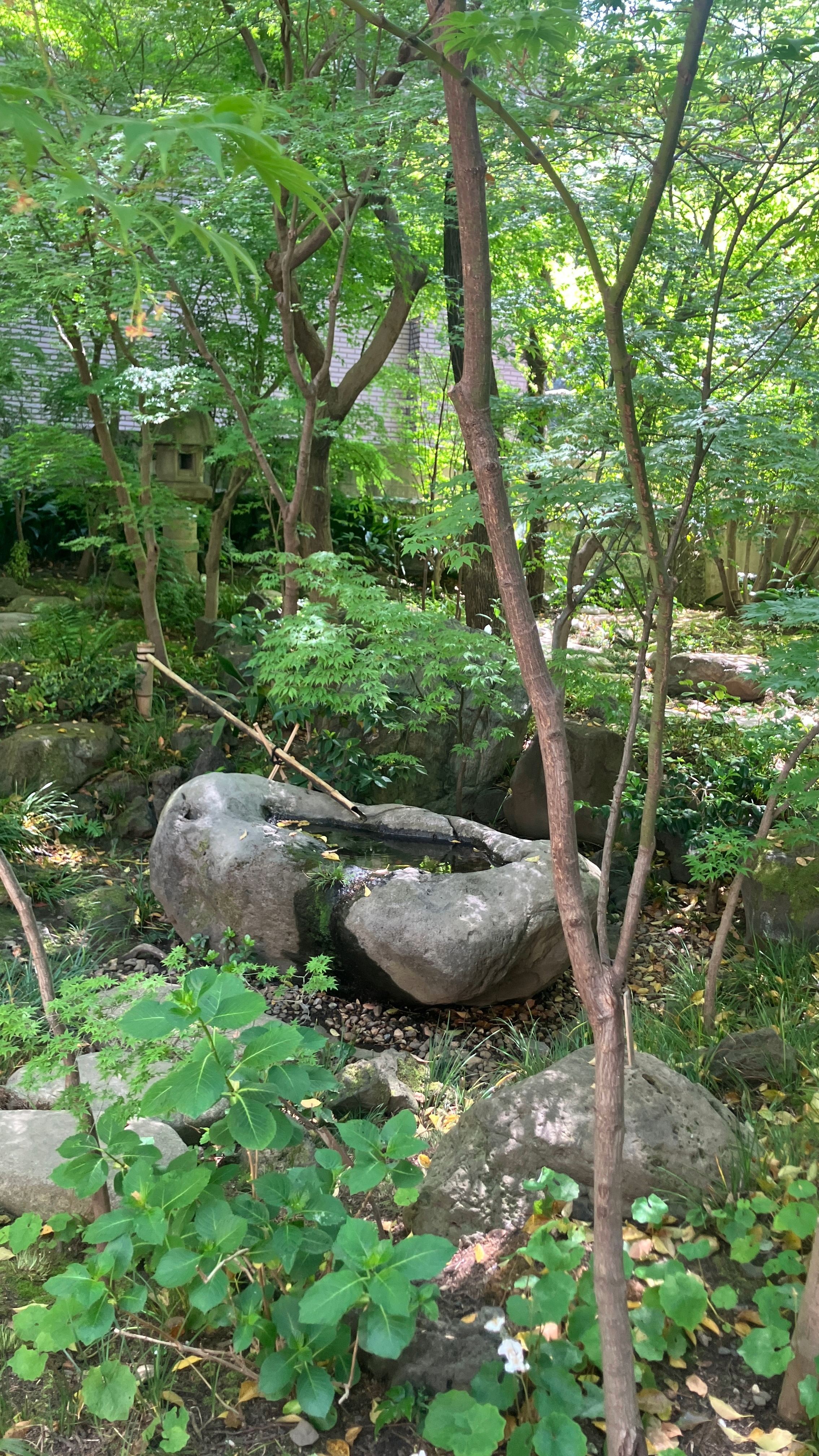
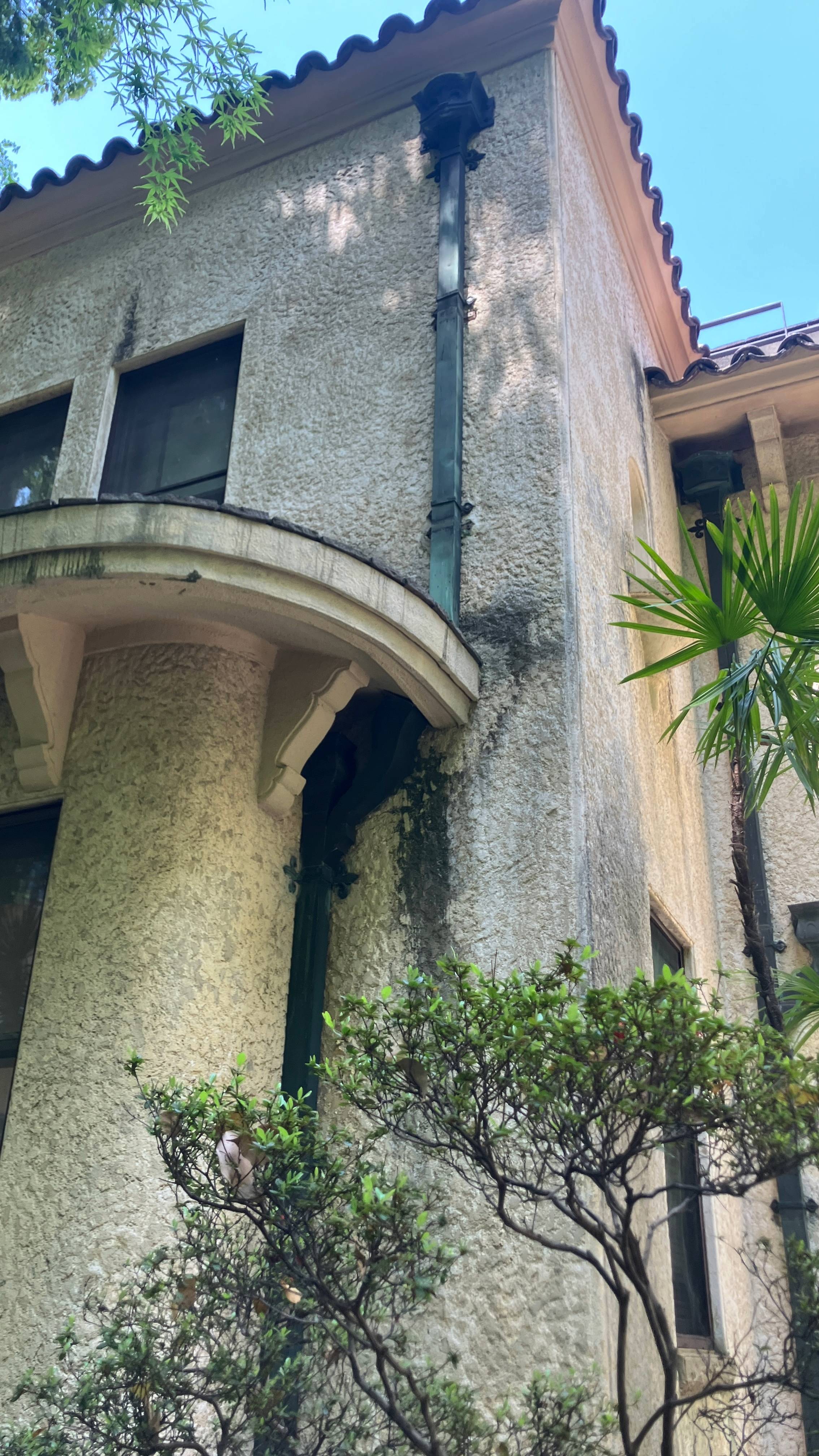
전시장 입구에서부터 흐름은 이미 설계되어 있었다. 검정 유니폼을 착용한 스태프들은 입장 전 신발을 보관할 수 있는 토트백을 건네고, 동선을 조율하며, 미술관의 안내 인력이라기보다 패션쇼의 백스테이지를 연상시키는 리듬을 만들어냈다. 쿠단 하우스는 화이트큐브와 달리 기능과 기억이 남아 있는 방들의 집합으로 이루어져 있으며, 구조상 관람은 매끄러운 직선 동선이 아니라, 장면이 바뀌듯 단절된 장면의 이동에 가깝다. 이 구조 속에서 스태프들은 보조 인력의 위치를 넘어 전시의 긴장과 리듬을 구성하는 요소로 작동하며, 관람자는 작품을 해석하는 주체라기보다 이미 설계된 흐름 속에 편입된 위치로 재배치된다. 이때 전시는 개별 오브제의 집합이 아니라 하나의 연속된 장면으로 조직된다.
이 공간이 만들어내는 방식은 마르지엘라가 패션에서 구축해온 실천과 맞닿아 있다. 그는 완결된 이미지를 제시하기보다 제작 과정과 구조, 사물의 상태를 노출시키는 방식으로 패션 시스템의 작동 원리를 드러내왔다. 중요한 것은 새로운 형식을 제안했다기보다, 패션이 성립하는 조건 자체를 가시화했다는 점이다. 그의 작업은 형태의 혁신이 아니라 시스템에 대한 개입으로 이해될 수 있다.
©Textumclub
해체의 언어가 스타일이 될 때
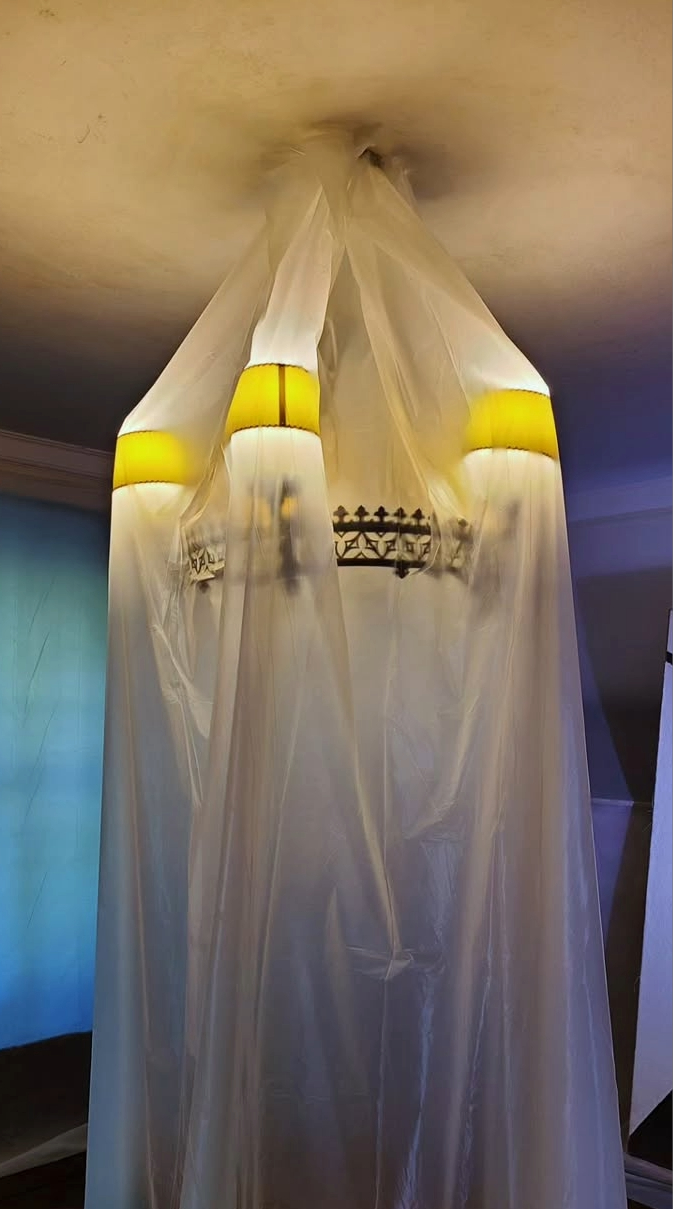
전시에서 반복되는 비닐, 번호, 포장된 상태의 오브제들은 이러한 언어가 다른 매체로 이행된 결과로 볼 수 있다. 그러나 이들은 예술적 자율성을 확보하기보다 여전히 패션적 기호로 작동한다. 그것들이 전시의 형식 안에 놓이며 해석의 대상으로 보일 수는 있지만, 결국 마르지엘라가 패션에서 구축해온 이미지 생산 방식,즉, 비닐, 번호, 포장된 상태가 공간 속에서 반복되고 있을 뿐이다.
여기서 중요한 점은, 이러한 기호들이 본래부터 패션의 언어였던 것은 아니라는 사실이다. 그것들을 패션의 기호로 만든 것이 바로 마르지엘라 자신이었다. 그렇기에 이번 전시는 단순한 아카이브라기보다, 자신이 구축한 언어를 다시 공간 속에 펼쳐 보이는 행위에 가깝다. 이 오브제들은 독립된 조형이라기보다 이미지로서의 패션이 물질화된 형태에 가깝다. 실제로 마르지엘라 이후 그의 언어는 수많은 브랜드에 의해 흡수되며, 전시와 쇼룸의 경계를 흐리는 방식으로 반복되어왔다. 그리고 그 언어가 하나의 스타일로 정착한 이후, 이번 전시에서 그것이 다시 제시될 때 느껴지는 것은 혁신이라기보다 이미 역사화된 감각에 가깝다.
©Textumclub
©Textumclub
©Textumclub
해체의 끝에서 만난 완성
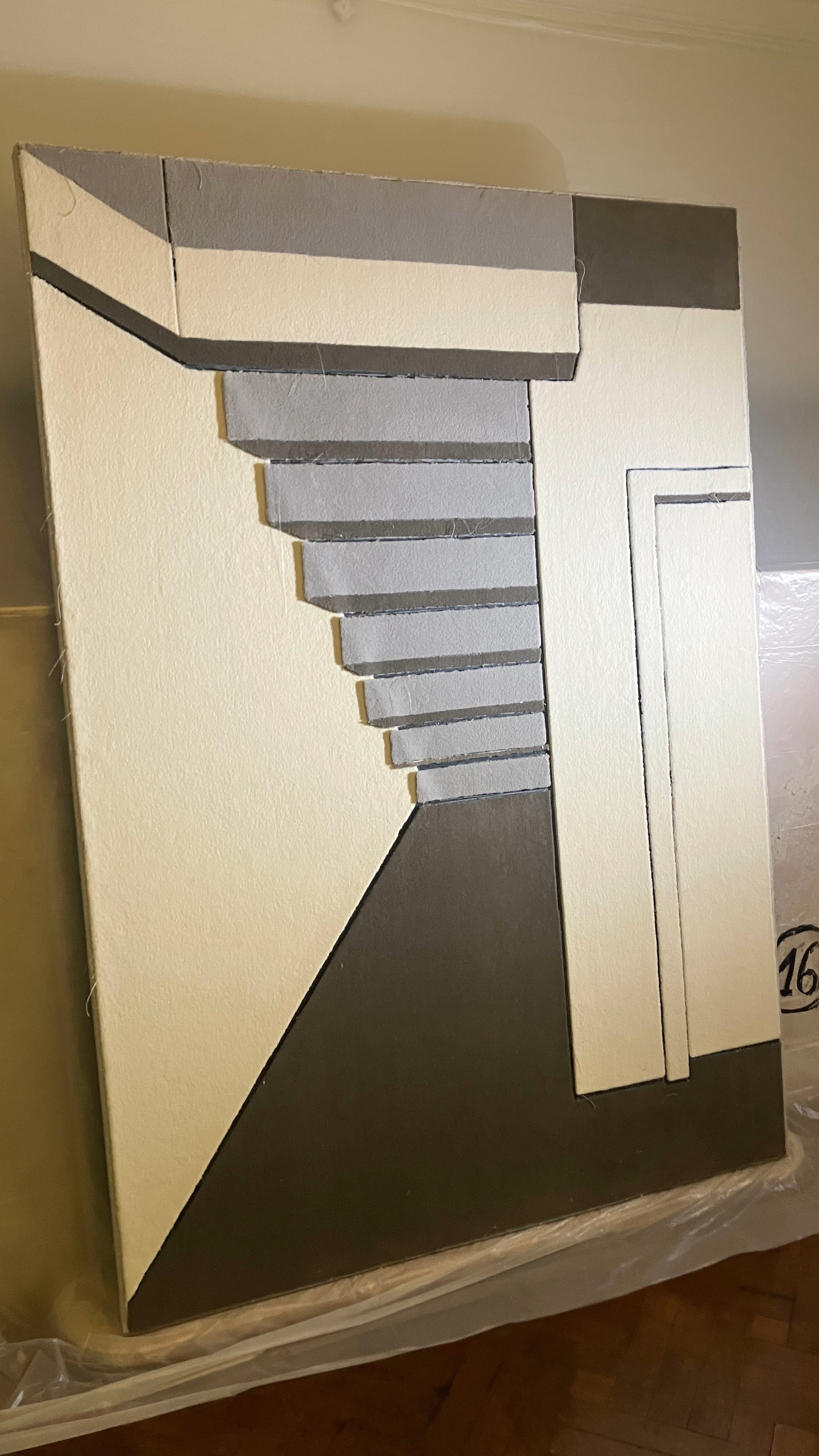
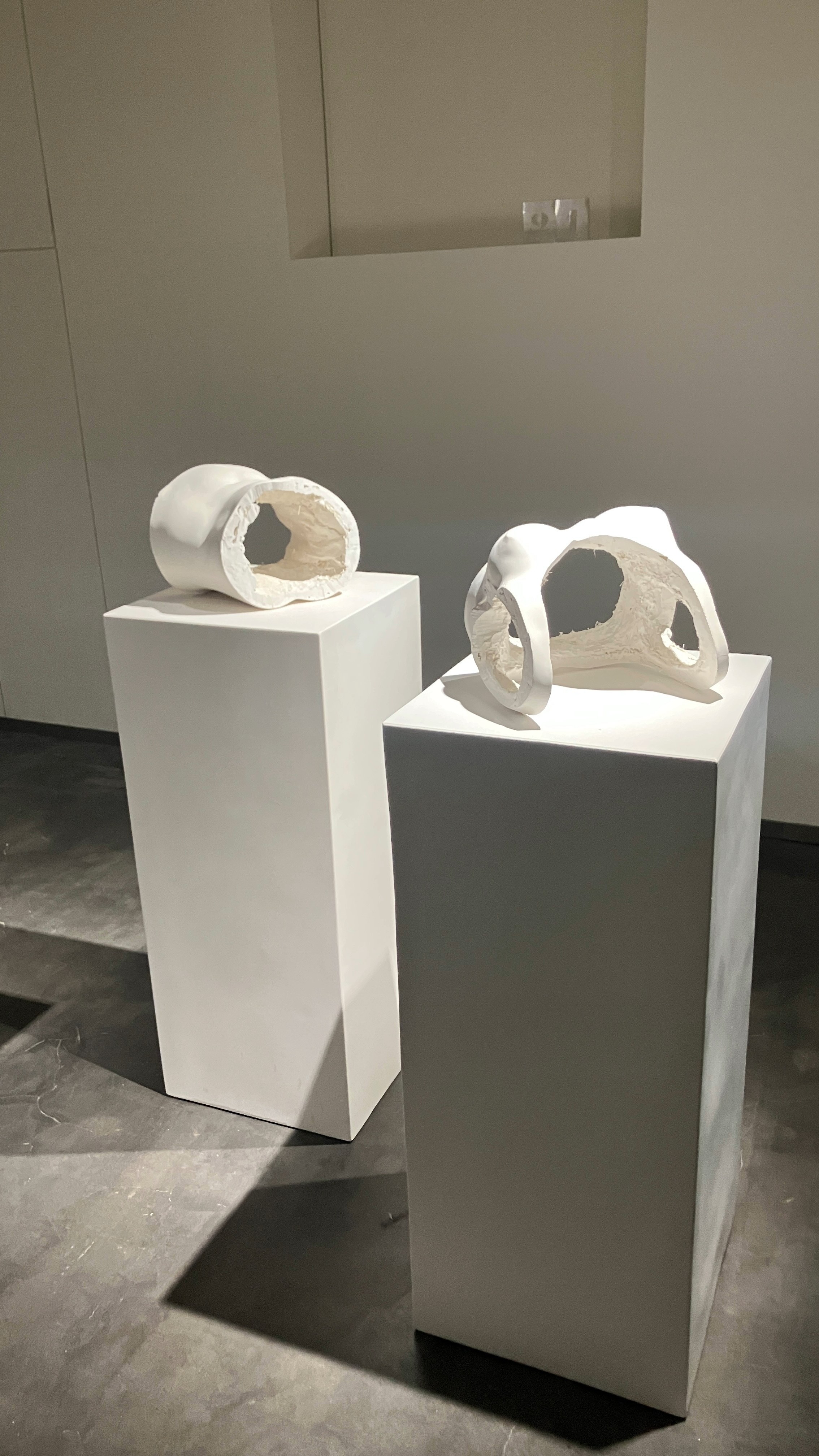
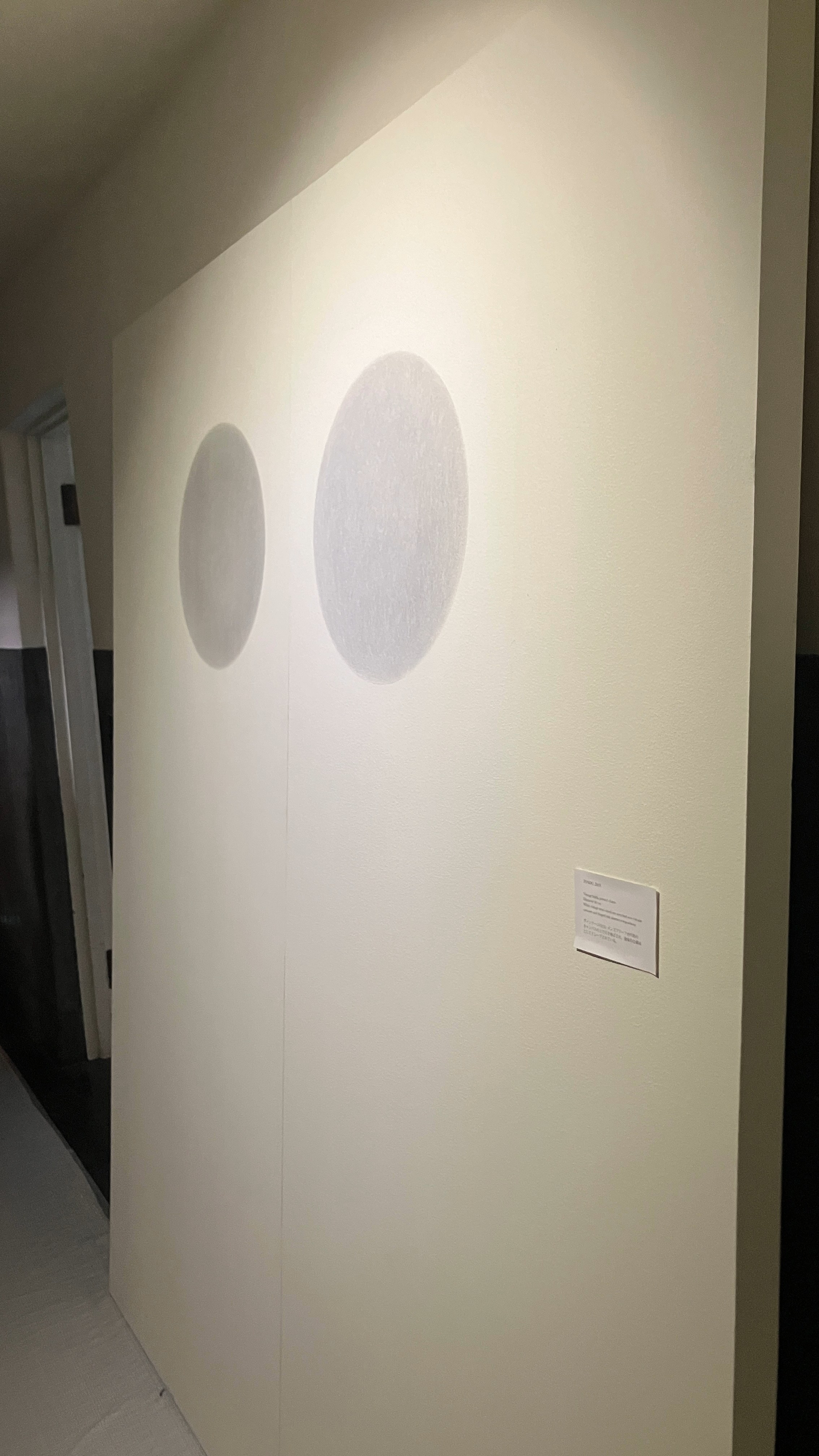
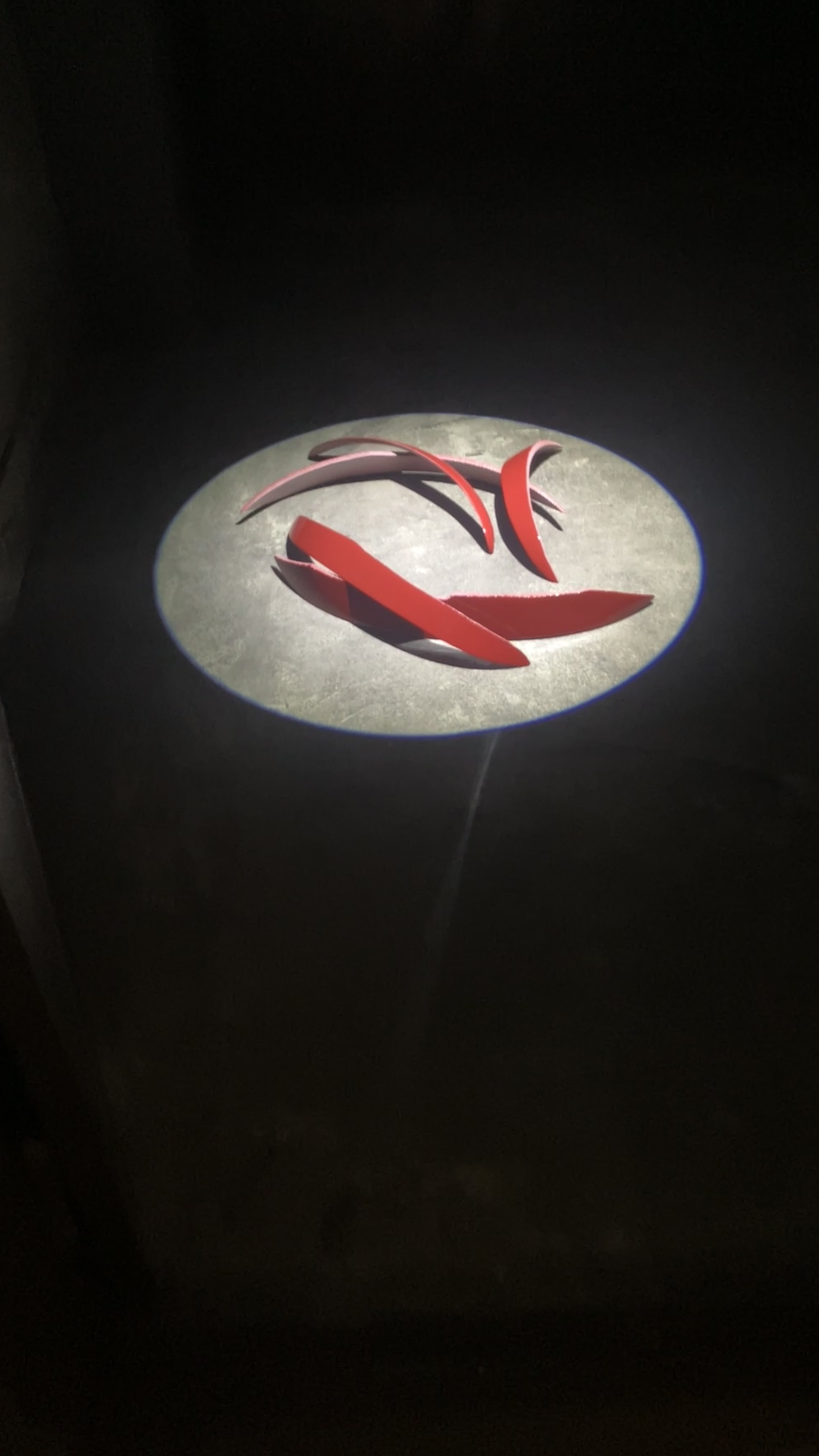
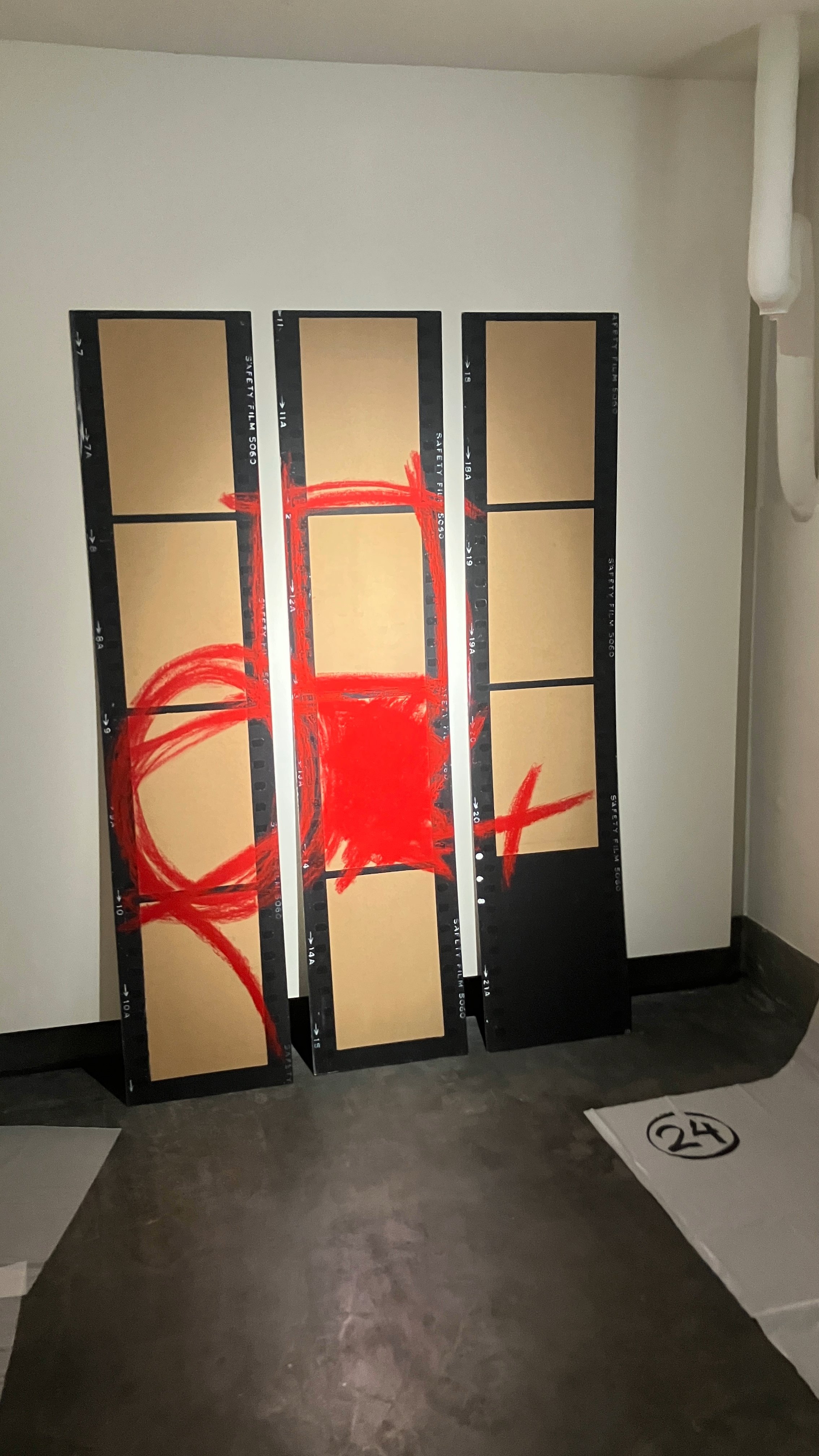
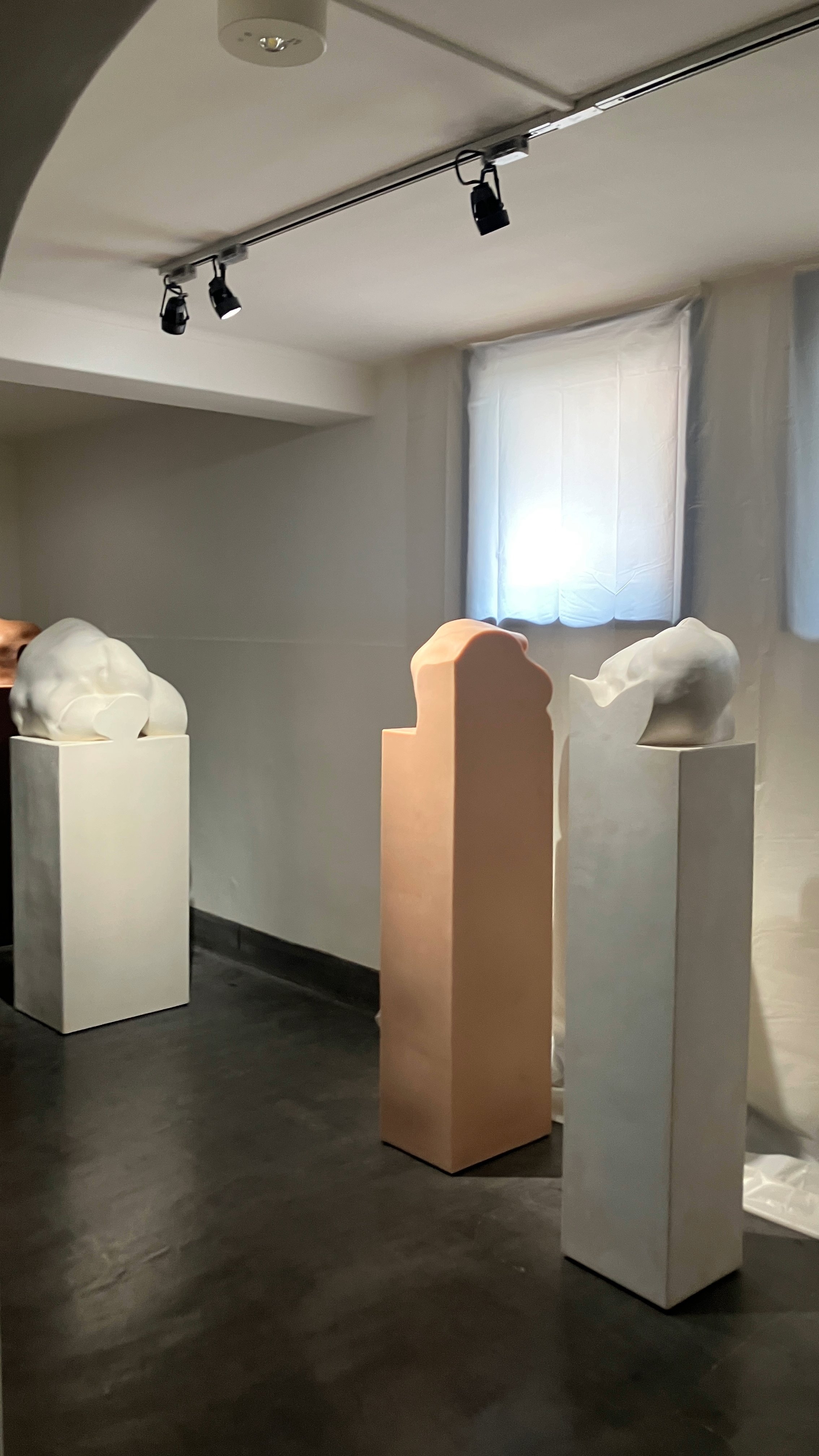
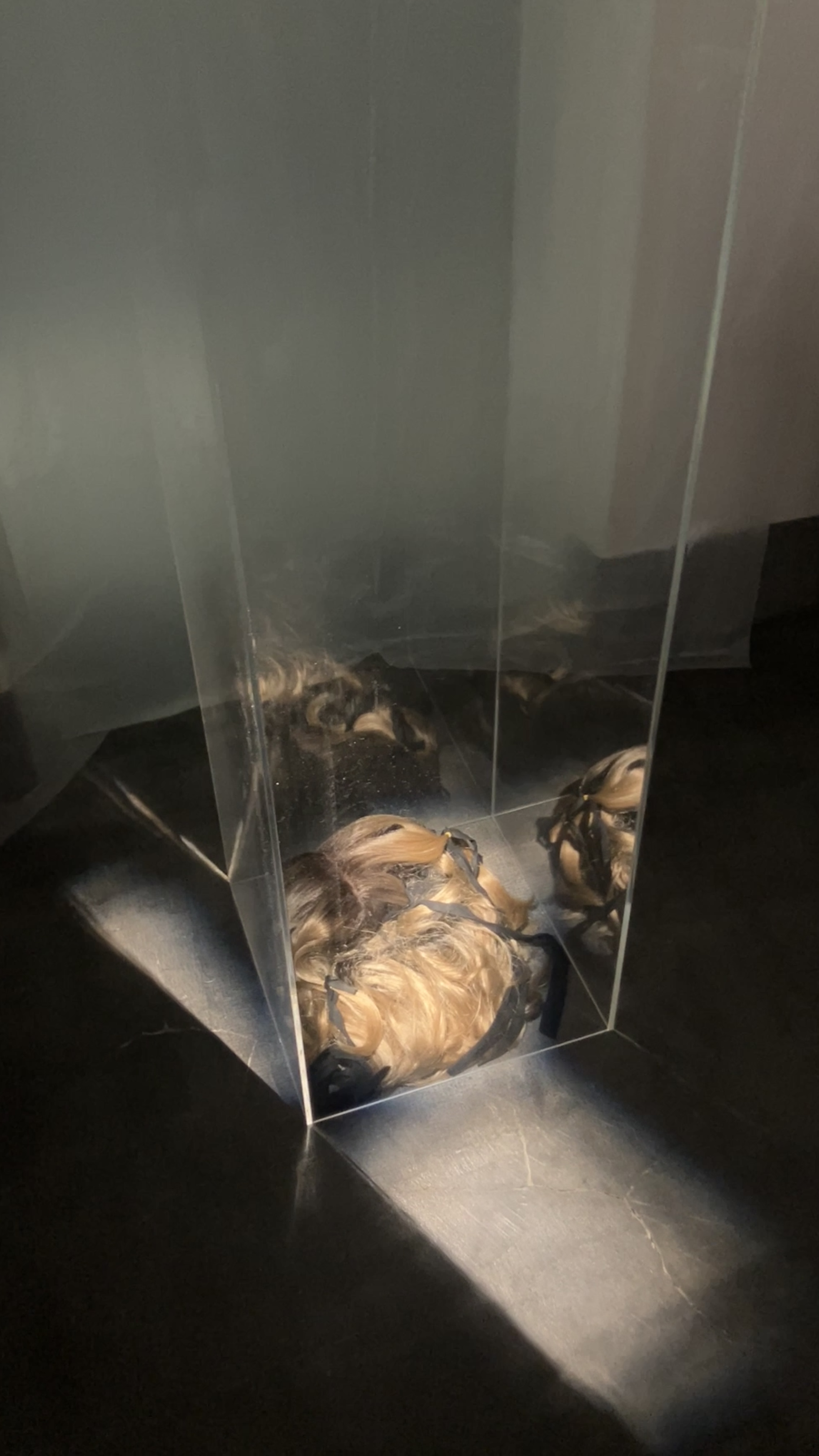
마르지엘라의 작업을 처음 접한 이후, 나의 미적 감각은 분명히 변화했다. 찢어진 옷이 세련되게 느껴지고, 완벽한 마감이 오히려 촌스럽게 보이기 시작한 감각은 그의 작업을 통해 형성된 것이었다. 그렇기에 이번 전시에서 마주한 장면은 오히려 낯설게 다가왔다. 완벽하게 칠해진 흰 벽, 정교하게 정돈된 가발들, 그리고 쿠단 하우스의 오래된 공간과 결합된 장면은 지나치게 완결되어 있었고, 그 완결성은 역설적으로 어색함을 낳았다. 이때 전시 전반에 깔린 흰색과 검정의 무채색 표면은 단순한 미적 선택이 아니었다. 염색된 가발의 색조, 필름 위에 그어진 립스틱 자국, 스포트라이트 아래 놓인 붉은 손톱 조각들, 이 붉은색들은 무채색의 표면 위에서 비로소 선명하게 부각된다. 색을 지워야 색이 보이는 이 구조는, 패션의 규칙을 해체함으로써 오히려 그 규칙이 드러나는 마르지엘라의 방식과 맞닿아 있다. 그리고 그 해체의 끝에는, 이상하게도 무언가가 온전히 완성된 것 같은 느낌이 남아 있었다. 그러나 전시를 따라 걸을수록, 내가 느낀 어색함의 정체는 조금 다른 곳에 있다는 생각이 들었다. 그것은 패션이 예술의 형식을 취했기 때문이 아니었다. 내가 낯설게 느꼈던 것은, 마르지엘라의 작업에서 기대했던 균열과 충돌의 감각이 이번 전시에서는 너무도 조용한 형태로 배열되어 있었다는 점이었다.
마르지엘라의 전략은 예술의 맥락 안에서도 충분히 이해 가능한 형식을 가지고 있다. 솔기를 드러내고 안감을 바깥으로 전환하는 방식은 제작 과정의 가시화로, 번호로 구성된 레이블은 디자이너의 이름과 브랜드 로고가 갖는 권위를 비우는 장치로, 빈티지 오브제를 해체해 재구성한 아르티자날(artisanal) 컬렉션은 사물의 시간성과 역사에 대한 탐구로 이해될 수도 있다. 그러나 차이는 해석의 내용이 아니라, 그 전략이 놓이는 위치와 실제 효과에 있다.
하지만 바로 그렇기 때문에, 마르지엘라의 전략이 처음부터 예술의 맥락에 놓였다면 그것은 충돌로 느껴지지 않았을 것이다. 패션에서 솔기는 감춰야 하는 것이었고, 레이블은 브랜드의 얼굴이었으며, 런웨이는 욕망을 생산하는 장치였다. 마르지엘라가 한 일은 외부의 언어를 가져온 것이 아니라, 패션 안에서 너무 당연하게 여겨지던 규칙들이 규칙이었다는 사실을 내부에서 드러내는 것이었다. 같은 형식도 전시장에서는 하나의 개념으로 읽히지만, 패션쇼에서는 실제 시스템을 흔드는 사건으로 작동할 수 있었다. 그의 급진성은 어떤 형식 자체에 있기보다, 패션이라는 시스템 안에서 그것을 교란한 사건성에 있다.
그러나 전시장 안에서 그것은 다시 정리된 형식, 해석 가능한 오브제, 이미 익숙한 마르지엘라의 스타일로 보이기도 한다. 이번 전시에서 느껴지는 낯섦은 바로 이 지점에서 발생한다. 한때 패션의 내부 규칙을 흔들었던 언어가 이제는 전시 공간 안에서 하나의 완결된 형식처럼 보이기 때문이다. 그러나 동시에 번호와 포장, 미완성의 표면, 유니폼과 동선은 여전히 패션의 감각과 이미지를 강하게 불러온다. 그렇기에 이 전시는 패션인가 예술인가라는 질문보다도, 마르지엘라의 전위적 전략이 시간이 지나 어떻게 하나의 역사적 양식으로 정착되는가를 보여주는 장면에 가깝다.
©Textumclub
©Textumclub
©Textumclub
감상에서 이미지 생산으로
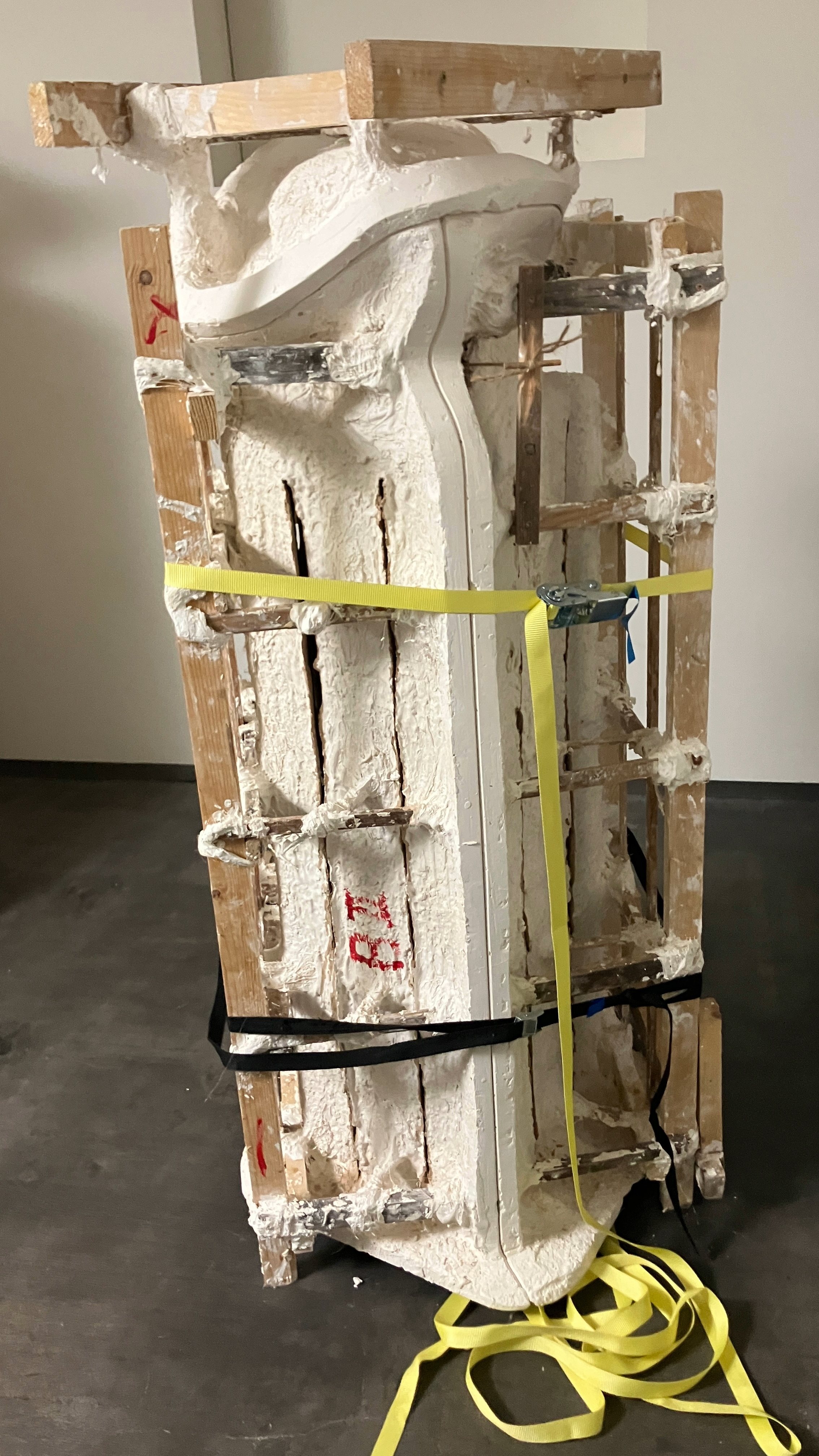
이러한 조건 속에서 전시는 패션의 언어를 다른 매체로 확장하는 데 그치지 않는다. 패션의 오브제가 이미지로서 먼저 소비되는 구조는, 전시장 안에서도 동일하게 작동한다. 작품은 감상의 대상이라기보다 촬영을 요구하는 대상으로 제시되는 듯하며, 관람자는 이를 마주하기보다 포착해야 하는 위치로 이동한다. 이는 전시 공간이 패션쇼의 리듬을 닮은 연속된 장면으로 조직되었다는 앞선 관찰과 연결된다. 패션쇼가 관람자를 욕망의 흐름 속에 편입시키듯, 전시 역시 관람자를 이미지 생산의 참여자로 위치시킨다. 이 전시는 패션이 옷이라는 형식을 벗어난 뒤에도, 여전히 이미지로 생산되고 소비되고 순환되는 체계 안에 있음을 보여준다.
©Textumclub
©Textumclub
전시의 끝, 유통의 시작
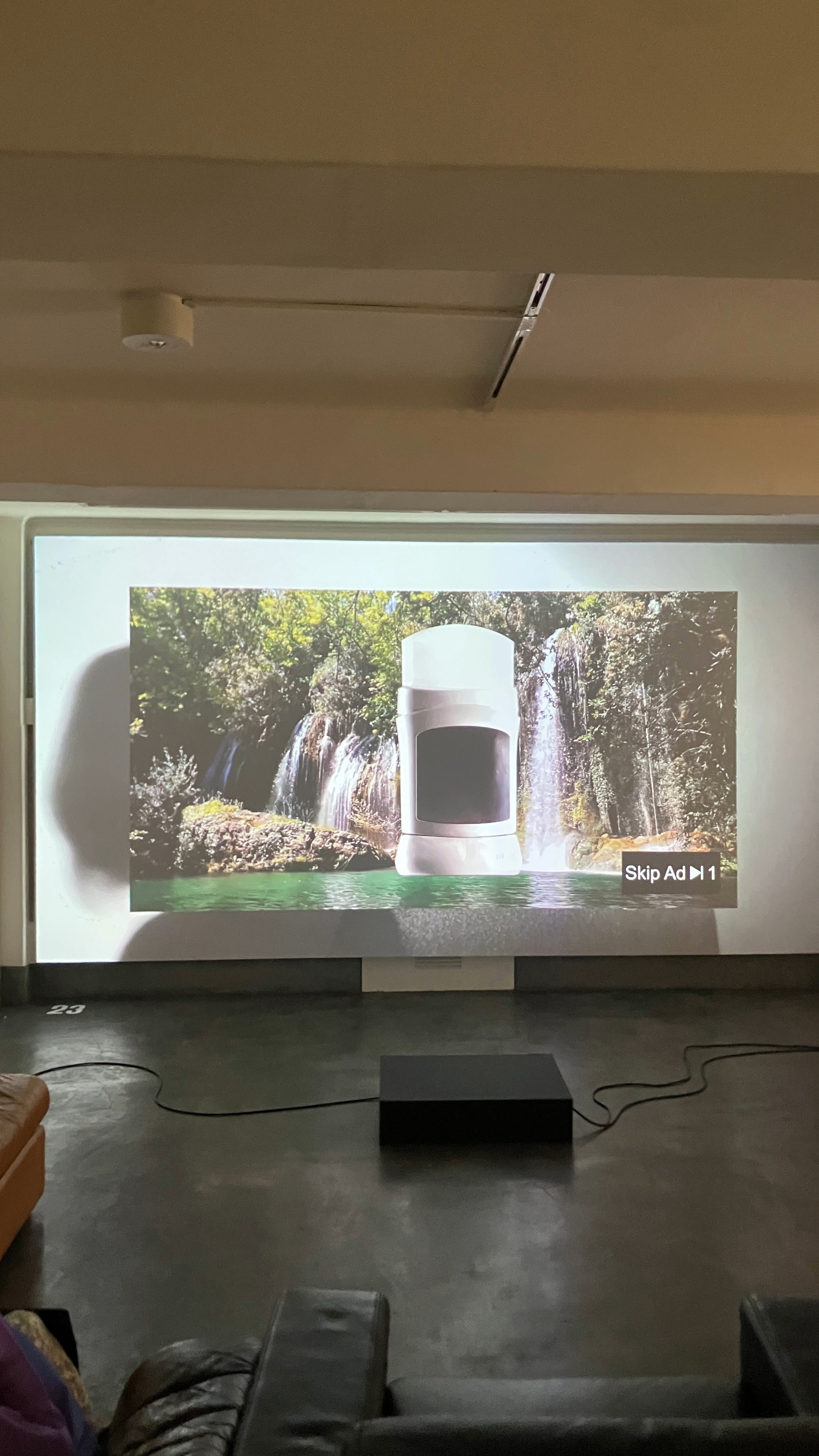
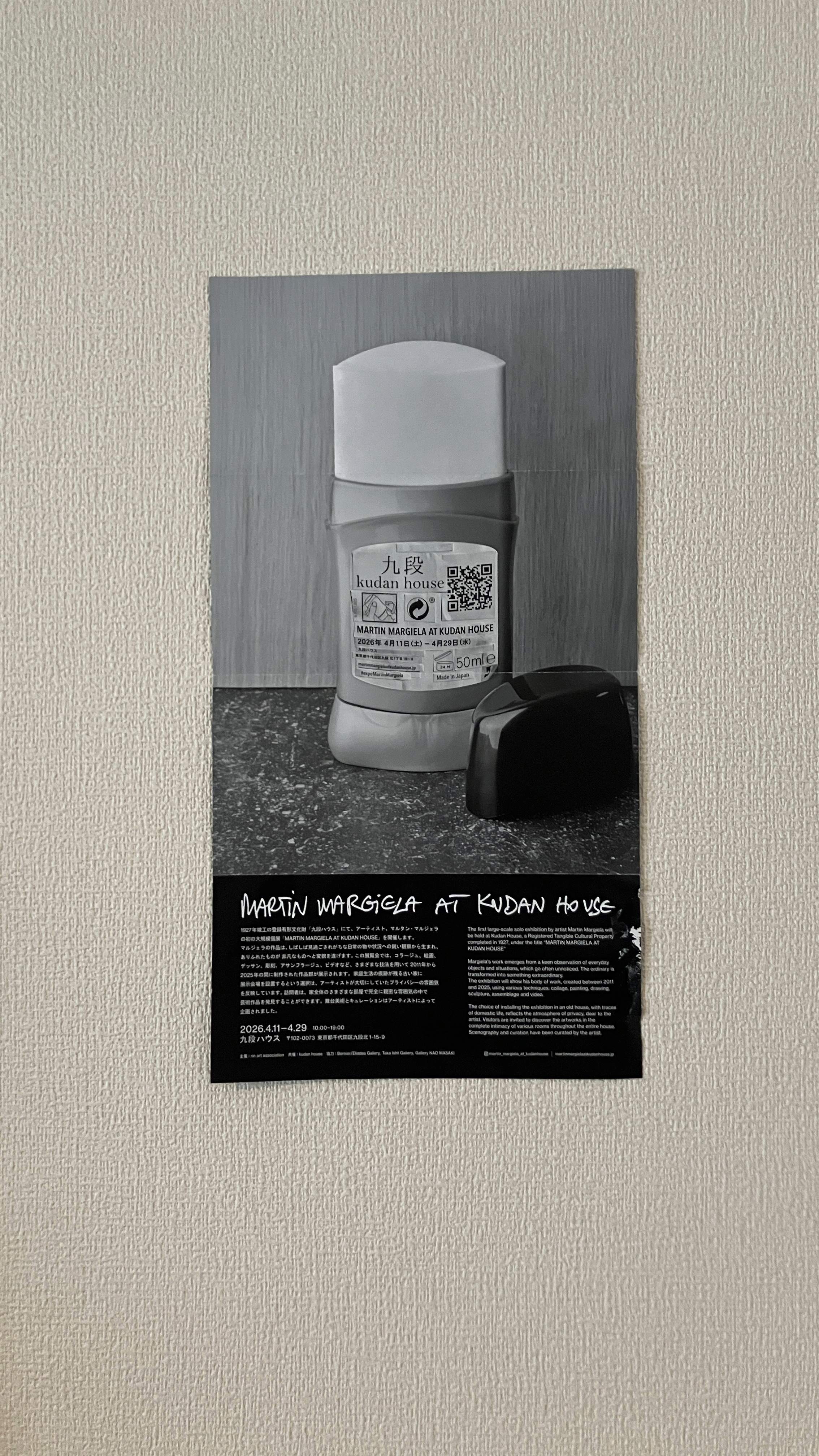
전시의 마지막에서, 스태프들이 착용하고 있던 검정 유니폼과 신발을 넣어두었던 토트백이 굿즈로 판매되고 이를 구매하기 위한 긴 줄이 형성된 장면은 상징적으로 다가온다. 전시 내내 패션적으로 기능하던 요소들이 다시 유통의 구조 안으로 귀환하는 순간이었다. 전시의 포스터가 데오도란트였다는 사실은 이 맥락에서 다시 읽힌다. 체취를 은폐하고 신체의 변화를 통제하려는 욕망을 담은 이 오브제는, 마르지엘라가 일관되게 다루어온 주제인 ‘감춤과 드러냄, 시스템이 요구하는 신체의 규범’을 가장 일상적인 형태로 압축하고 있다. 포스터이자 작품인 이 데오도란트는 전시의 언어가 이미 상품과 유통의 구조 안에서 작동하고 있었음을 드러낸다.
결국 이 전시는 패션이 예술로 전환된 사례라기보다, 패션이 자신의 언어를 유지한 채 전시 공간으로 확장될 수 있었던 구조적 조건을 드러낸다. 그렇기에 이 전시가 던지는 질문은 “패션도 예술인가”가 아니다. 핵심은 패션이 자신의 체계를 넘어서는 순간에도, 어떻게 다시 그 체계를 반복하는가에 있다.
©Textumclub
©Textumclub
글: 김서희
© Textum Club. 일부 콘텐츠는 원저작자 및 출판사에 저작권이 있습니다. 무단 복제 및 사용을 금합니다.
Encountering Martin Margiela‘s exhibition—which began in Paris in 2021 and subsequently traveled to several cities—I read the texts surrounding it before the works themselves. Responses to the exhibition were broadly divided into two directions. Within the art world, there existed a critical perspective that saw it as the repetition of an already exhausted language; within fashion, the tendency was to read it as an extension of existing work expanded into a different medium. This gap was not resolved within the texts; it became sensory only upon entering Kudan House in Tokyo.
ⓒtextumclub
ⓒtextumclub
ⓒtextumclub
A Designed Space, an Incorporated Viewer
From the entrance, the flow had already been designed. Staff dressed in black uniforms handed visitors tote bags to store their shoes before entering, guided movement through the space, and generated a rhythm that evoked the backstage of a fashion show rather than the guiding staff of a museum. Unlike the white cube, Kudan House is composed of rooms in which function and memory remain; structurally, the experience of viewing is less a smooth linear progression than a movement between discrete scenes, as if stages were shifting. Within this structure, the staff operated not merely as auxiliary personnel but as elements constituting the tension and rhythm of the exhibition, and visitors were repositioned not as interpreting subjects but as figures absorbed into an already designed flow. The exhibition was organized not as a collection of individual objects but as a continuous sequence of scenes.
This mode of spatial construction connects to the practice Margiela built within fashion. Rather than presenting a completed image, he exposed the processes of production, the structure of things, and the states of objects—revealing the operating principles of the fashion system. What matters is not that he proposed a new form, but that he made visible the very conditions under which fashion comes into being. His work can be understood not as formal innovation but as intervention in a system.
ⓒtextumclub
When the Language of Deconstruction Becomes Style
The vinyl, numbers, and packaged objects repeated throughout the exhibition can be seen as the result of this language migrating to a different medium. Yet rather than securing artistic autonomy, they continue to operate as fashion signs. They may appear as objects of interpretation within the frame of the exhibition, but ultimately what is being repeated in the space is simply the mode of image production Margiela constructed in fashion—vinyl, numbers, packaged states.
What is important here is that these signs were not originally the language of fashion. It was Margiela himself who made them into fashion’s signs. In this sense, the exhibition is less a simple archive than an act of unfolding, once again in space, the language he himself constructed. These objects are less autonomous forms than fashion-as-image materialized. Indeed, after Margiela, his language has been absorbed by countless brands and repeatedly reproduced in ways that blur the boundary between exhibition and showroom. And once that language settled into a style, what is felt when it is again presented in this exhibition is less innovation than a sensibility that has already been historicized.
ⓒtextumclub
ⓒtextumclub
©Textumclub
The Completion Encountered at the End of Deconstruction
Since first encountering Margiela’s work, my aesthetic sense has clearly changed. The sensation of torn clothes feeling refined, of perfect finishing beginning to look gauche—this was formed through his work. For that reason, the scenes encountered in this exhibition came as something unexpectedly strange. The perfectly painted white walls, the meticulously arranged wigs, the scene combined with the aged space of Kudan House—all of it was too complete, and that completeness paradoxically produced a sense of awkwardness. The achromatic surfaces of white and black that underlay the entire exhibition were not simply aesthetic choices. The hues of the dyed wigs, the lipstick marks drawn across film, the fragments of red fingernails placed beneath spotlights—these reds emerge in relief only against the achromatic surface. This structure, in which color becomes visible only by erasing color, connects to Margiela’s method of making the rules of fashion visible precisely by dismantling them. And at the end of that dismantling, there remained, strangely, a feeling that something had been brought to completion.
Yet as I walked through the exhibition, I came to feel that the awkwardness I sensed lay somewhere slightly different. It was not because fashion had adopted the form of art. What felt unfamiliar was that the sense of rupture and collision I had expected from Margiela’s work was arranged in the exhibition in a form too quiet.
Margiela’s strategy possesses a form that is sufficiently legible within an art context. Exposing seams and turning linings outward can be understood as the visualization of process; labels composed of numbers, as a device that empties the authority carried by a designer’s name and brand logo; the artisanal collection—vintage objects deconstructed and reconstructed—as an exploration of the temporality and history of things. Yet the difference lies not in the content of interpretation but in the position in which the strategy is placed and the actual effects it produces.
But it is precisely for this reason that, had Margiela’s strategy been situated from the beginning in an art context, it would not have felt like a collision. In fashion, seams were things to be concealed; labels were the face of the brand; the runway was a device for producing newness and desire. What Margiela did was not to bring an external artistic language into fashion, but to reveal from within it that the rules fashion had taken entirely for granted were, in fact, rules. The same form, when placed within fashion, could operate as an event that genuinely disturbed the system; within a gallery, it is read as a concept. His radicality lies not in any particular form but in the event-nature of his having disturbed the fashion system from the inside.
Yet within the exhibition space, that work appears again as an organized form, an interpretable object, a familiar Margiela style. The strangeness felt in this exhibition arises at precisely this point. It is because the language that once shook the internal rules of fashion now appears, within the exhibition space, as a single completed form. Yet simultaneously, the numbers and packaging, the unfinished surfaces, the uniforms and movement patterns still strongly invoke the sensibility and image of fashion. For this reason, the exhibition is less a question of whether it is fashion or art than a scene showing how Margiela’s avant-garde strategy has, over time, settled into a single historical mode.
©Textumclub
©Textumclub
©Textumclub
From Reception to Image Production
Within these conditions, the exhibition does not merely expand the language of fashion into another medium. The structure in which fashion’s objects are consumed first as images operates identically within the exhibition space. Works seem to be presented less as objects of contemplation than as objects demanding to be photographed, and viewers are shifted into a position of having to capture rather than encounter them. This connects to the earlier observation that the exhibition space was organized as a continuous sequence of scenes resembling the rhythm of a fashion show. Just as a fashion show incorporates viewers into the flow of desire, the exhibition too positions viewers as participants in image production. This exhibition shows that even after fashion has shed the form of clothing, it remains within a system in which things are produced, consumed, and circulated as images.
©Textumclub
©Textumclub
The End of the Exhibition, the Beginning of Distribution
The scene at the end of the exhibition—in which the black uniforms worn by the staff and the tote bags used to store shoes were sold as merchandise, with long queues forming to purchase them—arrived as something symbolic. It was the moment in which elements that had functioned as fashion throughout the exhibition returned to the structure of distribution. That the exhibition poster was a deodorant is read again in this context. This object, bearing the desire to conceal body odor and control the body’s changes, compresses in its most everyday form the themes Margiela has consistently addressed: concealment and revelation, the norms of the body that the system demands. This deodorant—poster and artwork at once—reveals that the language of the exhibition was already operating within the structure of commodity and distribution.
Ultimately, this exhibition reveals less a case of fashion being converted into art than the structural conditions under which fashion can expand into an exhibition space while maintaining its own language. The question this exhibition poses is therefore not “Is fashion also art?” The crux lies in how fashion, even in the moment it appears to exceed its own system, repeats that system once again.
©Textumclub
©Textumclub
Text: Seohee Kim
© Textum Club. Copyright in the original work—including the book’s text, images, and cover—remains with the publisher and the author (rightsholders). Unauthorized use is prohibited.
2021年にパリで始まり、その後複数の都市へと巡回したマルタン・マルジェラの展覧会に接したとき、私は作品よりも先に、それを取り巻くテキストを読んでいた。展覧会への反応は、おおむね二つの方向に分かれていた。アート界には、すでに消耗した言語の反復として批判的に見る視線があった一方、ファッション界では、既存の作業の延長線上で別の媒体へと展開されたものとして読む傾向が強かった。このずれは、テキストの中で理解されるよりも、東京の九段ハウス(Kudan House)へ足を踏み入れた瞬間に、感覚として初めて露わになった。
ⓒtextumclub
ⓒtextumclub
ⓒtextumclub
設計された空間、編入される観覧者
展示入口から、流れはすでに設計されていた。黒いユニフォームを着たスタッフが入場前に靴を収納するトートバッグを手渡し、動線を整え、美術館の案内係というよりもファッションショーのバックステージを想起させるリズムを生み出していた。九段ハウスはホワイトキューブとは異なり、機能と記憶が残る部屋の集合体であり、構造上、観覧は滑らかな直線的動線ではなく、場面が切り替わるような断絶した移動に近い。この構造のなかでスタッフは補助要員の位置を超え、展示の緊張とリズムを構成する要素として機能し、観覧者は作品を解釈する主体というよりも、すでに設計された流れのなかへ編入された存在として再配置される。展示はここで、個別のオブジェの集積ではなく、連続した場面のシークエンスとして組織される。
この空間の構成方法は、マルジェラがファッションの中で築いてきた実践と呼応している。完結したイメージを提示するのではなく、制作過程や構造、物の状態を露出させることで、ファッションというシステムの作動原理を明らかにしてきた。重要なのは、新たな形式を提案したというよりも、ファッションが成立する条件そのものを可視化したという点だ。彼の作業は形式の革新ではなく、システムへの介入として理解することができる。
ⓒtextumclub
解体の言語がスタイルになるとき
展示に繰り返し現れるビニール、番号、梱包された状態のオブジェは、そうした言語が別の媒体へと移行した結果と見ることができる。しかしそれらは、芸術的な自律性を確保するというよりも、依然としてファッション的な記号として機能している。展示という形式の中に置かれることで解釈の対象に見えることはあっても、結局のところ、マルジェラがファッションにおいて築いてきたイメージ生産の方法、つまりビニール、番号、梱包された状態が空間の中で反復されているにすぎない。
ここで重要なのは、これらの記号がもともとファッションの言語であったわけではないという事実だ。それらをファッションの記号にしたのは、他でもないマルジェラ自身であった。それゆえこの展覧会は、単純なアーカイブというよりも、自らが構築した言語を再び空間の中に広げて見せる行為に近い。これらのオブジェは、自律した造形というよりもイメージとしてのファッションが物質化した形態に近い。実際、マルジェラ以降、彼の言語は無数のブランドに吸収され、展示とショールームの境界を曖昧にする形で繰り返されてきた。そしてその言語が一つのスタイルとして定着した後、この展覧会で再び提示されるとき感じられるのは、革新というよりもすでに歴史化された感覚に近い。
ⓒtextumclub
ⓒtextumclub
©Textumclub
解体の果てに出会った完成
マルジェラの作業に初めて触れて以降、私の美的感覚は確かに変化した。破れた服が洗練されて感じられ、完璧な仕上がりがむしろ野暮ったく見え始めた感覚は、彼の作業を通じて形成されたものだった。それゆえ、今回の展覧会で出会った光景は、むしろ奇妙なよそよそしさとして迫ってきた。完璧に塗られた白い壁、精巧に整えられたウィッグ、九段ハウスの古い空間と結びついた光景は、あまりにも完結していた。その完結性は逆説的に、違和感を生み出した。そのとき、展示全体に敷かれた白と黒の無彩色の表面は、単なる美的な選択ではなかった。染色されたウィッグの色調、フィルムの上に引かれた口紅の跡、スポットライトの下に置かれた赤い爪の断片、これらの赤は、無彩色の表面の上に置かれて初めて鮮明に浮かび上がる。色を消してこそ色が見えるというこの構造は、ファッションの規則を解体することでその規則を露わにするマルジェラの方法と重なる。そしてその解体の果てに、不思議なことに、何かが完全に完成したような感覚が残っていた。
しかし展示をたどるうちに、感じていた違和感の正体は少し別の場所にあるという思いが生じてきた。それは、ファッションが芸術の形式を取ったからではなかった。奇妙に感じたのは、マルジェラの作業に期待していた亀裂と衝突の感覚が、今回の展覧会ではあまりにも静かな形で配列されていたという点だった。
マルジェラの戦略は、アートの文脈においても十分に読み解くことのできる形式を持っている。縫い目を露出させ裏地を外側へ転換する方法は制作過程の可視化として、番号で構成されたラベルはデザイナーの名前やブランドロゴが持つ権威を空洞化する装置として、ヴィンテージのオブジェを解体し再構成したアルチザナルなコレクションは物の時間性と歴史への探求として理解することができる。しかし差異は解釈の内容ではなく、その戦略が置かれる位置と実際の効果にある。
だがまさにそれゆえに、マルジェラの戦略が最初からアートの文脈に置かれていたなら、それは衝突とは感じられなかっただろう。ファッションにおいて縫い目は隠すべきものであり、ラベルはブランドの顔であり、ランウェイは欲望を生産する装置だった。マルジェラがしたことは、外部の芸術言語をファッションに持ち込んだのではなく、ファッションのなかであまりにも当然視されていた規則が規則であるという事実を、内側から明らかにすることだった。同じ形式でも、展示会場では一つの概念として読まれるが、ファッションショーでは実際のシステムを揺るがす出来事として機能しえた。彼の急進性は特定の形式にあるというよりも、ファッションというシステムをその内側から攪乱した出来事性にある。
しかし展示会場のなかで、それは再び整理された形式、解釈可能なオブジェ、すでに見慣れたマルジェラのスタイルとして見えてくる。この展覧会に感じる違和感は、まさにこの地点から生じる。かつてファッションの内部規則を揺るがした言語が、今や展示空間の中で一つの完結した形式として見えるからだ。しかし同時に、番号と梱包、未完成の表面、ユニフォームと動線は、依然としてファッションの感覚とイメージを強く呼び起こす。それゆえこの展覧会は、パッションか芸術かという問いよりも、マルジェラの前衛的戦略が時を経てどのように一つの歴史的様式として定着していくかを示す場面に近い。
©Textumclub
©Textumclub
©Textumclub
鑑賞からイメージ生産へ
こうした条件のなかで、展示はファッションの言語を別の媒体へと展開するにとどまらない。ファッションのオブジェがイメージとして先に消費されるという構造は、展示会場においても同様に作動する。作品は鑑賞の対象というよりも、撮影を要求する対象として提示されているようであり、観覧者はそれと向き合うよりも捉えるべき位置へと移動する。これは、展示空間がファッションショーのリズムに似た連続した場面として組織されているという先の観察と繋がる。ファッションショーが観覧者を欲望の流れに編入するように、展示もまた観覧者をイメージ生産の参加者として位置づける。この展覧会は、ファッションが服という形式を脱した後も、依然としてイメージとして生産され、消費され、循環するシステムの中にあることを示している。
©Textumclub
©Textumclub
展示の終わり、流通の始まり
展示の終盤、スタッフが着用していた黒いユニフォームと靴を入れていたトートバッグがグッズとして販売され、購入のために長い列が形成された光景は、象徴的に迫ってくる。展示を通じてファッション的に機能していた要素が、再び流通の構造へと帰還する瞬間だった。展示のポスターがデオドラントだったという事実は、この文脈において改めて読まれる。体臭を隠蔽し、身体の変化をコントロールしようとする欲望を宿したこのオブジェは、マルジェラが一貫して扱ってきたテーマである「隠蔽と露出、システムが要求する身体の規範」を、最も日常的な形に圧縮している。ポスターであり作品でもあるこのデオドラントは、展示の言語がすでに商品と流通の構造の中で作動していたことを明らかにする。
結局この展覧会が示すのは、ファッションが芸術へと転換された事例というよりも、ファッションが自らの言語を維持したまま展示空間へと拡張されうる構造的条件だ。それゆえこの展覧会が投げかける問いは、「ファッションも芸術か」ではない。核心は、ファッションが自らの体系を超えるかに見える瞬間においても、いかにして再びその体系を反復するか、という点にある。
©Textumclub
©Textumclub
文:キム・ソヒ
© Textum Club. 書籍本文・画像・表紙等の原著作物に関する著作権は、当該出版社および著者(権利者)に帰属します。無断使用を禁じます。