텍스텀 클럽(Textum Club)은 패션비평과 관련된 프랙티스와 출판을 위한 연구모임입니다. 직물을 뜻하는 ‘textile’과 글을 의미하는 ‘text’의 공통 어원인 ‘엮다’는 뜻을 가진 텍스텀 클럽은 패션 비평 아카이브로써 비평적 패션(Critical Fashion) 관련 국내외의 도서를 소개합니다.
비평적 패션 프로젝트 및 담론의 지속적 연구와 확산을 위해 전시, 출판, 연구, 워크숍 등 다양한 활동을 추진하여 국내외의 디자이너, 예술가, 연구자, 패션종사자의 네트워크장으로써 기능하고자 합니다.
Textum Club is a research group dedicated to practices and publishing in fashion criticism based in Seoul. Derived from the common roots of 'textile' and 'text,' meaning 'to weave,' Textum Club introduces books and articles related to critical fashion as part of its fashion criticism archive.
It aims to serve as a networking platform for designers, artists, researchers, and fashion practitioners globally through various activities including exhibitions, publishing, research, and workshops.
テキスタムクラブ(Textum Club)は、ファッション批評に関する実践と出版のためのリサーチグループです。布地を意味する「textile」と、文章を意味する「text」という言葉の共通の語源である「編む(texere)」という概念に基づくテキスタムクラブは、ファッション批評のアーカイブとして、クリティカル・ファッション(Critical Fashion)に関連する各国の書籍を紹介しています。
批評的ファッションのプロジェクトやディスコースの継続的な研究と普及を目指し、展覧会、出版、リサーチ、ワークショップなど多様な活動を展開しながら、各国のデザイナー、アーティスト、研究者、ファッション関係者のネットワークの場として機能することを目指しています。
-
김서희는 세히쿄(SEHIKYO) 프로젝트를 운영하며, 옷이 언제, 어떻게 이미지가 되는가라는 질문을 중심으로 제작과 착용을 하나의 연속된 과정으로 탐구합니다. 런던 칼리지 오브 패션(BA)과 영국 왕립예술학교(MA)에서 패션 디자인을 전공했으며, 전시, 워크숍, 프레젠테이션을 통해 옷이 개인적·사회적 경험의 장으로 작동하는 가능성을 이어 탐구해왔습니다. 현재 도쿄예술대학교 미술연구과에서 박사과정을 진행 중입니다.
Seohee Kim runs the SEHIKYO project, exploring making and wearing as a single continuous process centered on the question of when and how a garment becomes an image. She studied fashion design at London College of Fashion (BA) and the Royal College of Art (MA), and has continued to investigate the potential of clothing as a site where personal and social experience takes shape, through exhibitions, workshops, and presentations. She is currently a doctoral candidate at Tokyo University of the Arts, Graduate School of Fine Arts. More information about her work can be found at www.sehikyo.org.
キム・ソヒはSEHIKYOプロジェクトを主宰し、服はいつ、どのようにしてイメージになるのかという問いを中心に、制作と着用を一続きのプロセスとして探求しています。ロンドン・カレッジ・オブ・ファッション(BA)およびロイヤル・カレッジ・オブ・アート(MA)でファッションデザインを専攻し、展示、ワークショップ、プレゼンテーションを通じて、服が個人的・社会的な経験の場として機能する可能性を探り続けてきました。現在は東京藝術大学大学院美術研究科にて博士課程に在籍しています。
-
김연우는 큐레이터, 연구자, 제작자로 활동하고 있으며, 텍스텀 클럽의 공동 창립자로서 패션 비평과 관련된 연구, 전시, 출판 활동을 수행하고 있습니다. 그녀는 2023 청주 공예 비엔날레를 비롯하여 서울과 제주에서 공예와 예술 관련 다양한 전시를 큐레이션했습니다. 연세대학교에서 철학과 의류환경을 공부한 후, 센트럴 세인트 마틴과 영국 왕립 예술 대학교에서 패션을 전공했습니다. 그녀는 패션 현상의 철학적 분석에 대한 이론과 실천을 연구하며, 패션에 대한 대안적인 시각을 제공하고자 합니다.
Yeonwoo Kim works as a curator, researcher, and maker, and is a co-founder of Textum Club, where she engages in research, exhibitions, and publishing related to fashion criticism. She has curated various craft and art exhibitions in cities including Seoul and Jeju, notably the 2023 Cheongju Craft Biennale. After studying philosophy and clothing environment at Yonsei University, she pursued fashion at Central Saint Martins and the Royal College of Art in the UK. She researches the theory and practice of philosophical analysis of fashion phenomena, aiming to provide an alternative perspective on fashion. More details about her work and contributions can be found on the www.fashionknowledgehoarder.com
キム・ヨヌはキュレーター、研究者、そしてクリエイターとして活動しており、テキスタムクラブの共同設立者として、ファッション批評に関するリサーチ、展覧会、出版活動を行っています。彼女は2023年の清州工芸ビエンナーレを含め、ソウルや済州で工芸とアートに関する様々な展覧会をキュレーションしてきました。延世大学で哲学と衣類環境を学んだ後、セントラル・セント・マーチンズおよび英国王立芸術大学でファッションを専攻しました。彼女はファッション現象の哲学的分析に関する理論と実践を研究し、ファッションに対する新たな視点を提示することを目指しています。www.fashionknowledgehoarder.com
-
황혜림은 시각예술 및 공예 분야에서 활동중인 큐레이터입니다. 분단, 장애, 게임, 웹툰 등 경계에 머무는 것들에 대해 많은 관심을 갖고, 연구 및 전시 활동에 참여하고 있습니다.
Hwang Hyerim is a curator active in the fields of visual arts and crafts. She has a keen interest in topics residing at boundaries such as division, disability, gaming, and webtoons, and is involved in research and curatorial projects related to these themes.
ファン・ヘリムは、視覚芸術および工芸の分野で活動しているキュレーターです。分断、障害、ゲーム、ウェブトゥーンなど、境界にとどまるものごとに強い関心を持ち、リサーチや展覧会の活動に取り組んでいます。
-
텍스텀 클럽의 활동에 관심이 있는 여러분의 참여를 환영합니다! 패션과 관련된 책이나 주제를 추천해주세요. 또한 문의사항이 있다면 언제든지 저희에게 메일을 보내주세요.
We welcome your participation in Textum Club’s activities! Please recommend books or topics related to fashion that interest you. If you have any questions, feel free to email us at any time.
テキスタムクラブの活動にご関心のある皆さまのご参加を心よりお待ちしております。ファッションに関する書籍やテーマのご推薦もぜひお寄せください。ご質問などがありましたら、いつでもお気軽にメールでご連絡ください。
textum.club@gmail.com
@textum.club
textum.club@gmail.com
@textum.club
textum.club@gmail.com
@textum.club
한 땀으로 새기는 존재의 증명
A Stitch as Proof of Existence
一針ごとに刻まれる、存在の証明
2026년 초, 팔레스타인과 이스라엘은 미국의 중재로 휴전에 합의했지만 가자와 서안지구, 이스라엘 땅에서 살아가는 팔레스타인인을 향한 폭력과 집단학살은 여전히 계속되고 있다. 2023년 10월 7일 가자에서 시작된 전쟁의 참혹함은 쓰나미처럼 서안지구의 삶도 휩쓸었다. 당시 서안지구를 취재 중이었던 나는 종종 이스라엘 군에 붙들려 분리장벽에 머리를 맞대고 검문을 받아야 했다. 그보다 더 힘겨운 순간은 눈앞에서 사라져간 팔레스타인 사람들의 죽음을 목도할 때였다. 살아남은 이들은 서로를 의지하며 정신을 추스렸지만 밤새 떨리는 몸을 감각했던 나날들이 여전히 생생하다.
취재 후 귀국한 나는 헤아릴 수 없는 괴로움을 달래고자 2024년 9월부터 2025년 1월까지 매주 하루를 정해 광화문 광장에서 팔레스타인 양귀비 타트리즈(Tatreez, 아랍어로 ‘자수’를 뜻하는 팔레스타인 전통 자수 기법)를 수놓으며 1인 시위를 했다. 이 수행은 팔레스타인과 연대하고자 하는 다국적 시민들과 함께하는 워크숍1으로 이어졌다. 팔레스타인 자수는 고통과 죽음을 애도하는 이들에게 따뜻한 매개가 되어주었다. 내가 타트리즈를 떠올린 것은 ‘안녕’의 감각 때문이었다. 안녕할 수 없는 시절을 지내는 우리 모두에게 다시 한번 그 감각이 필요했다.
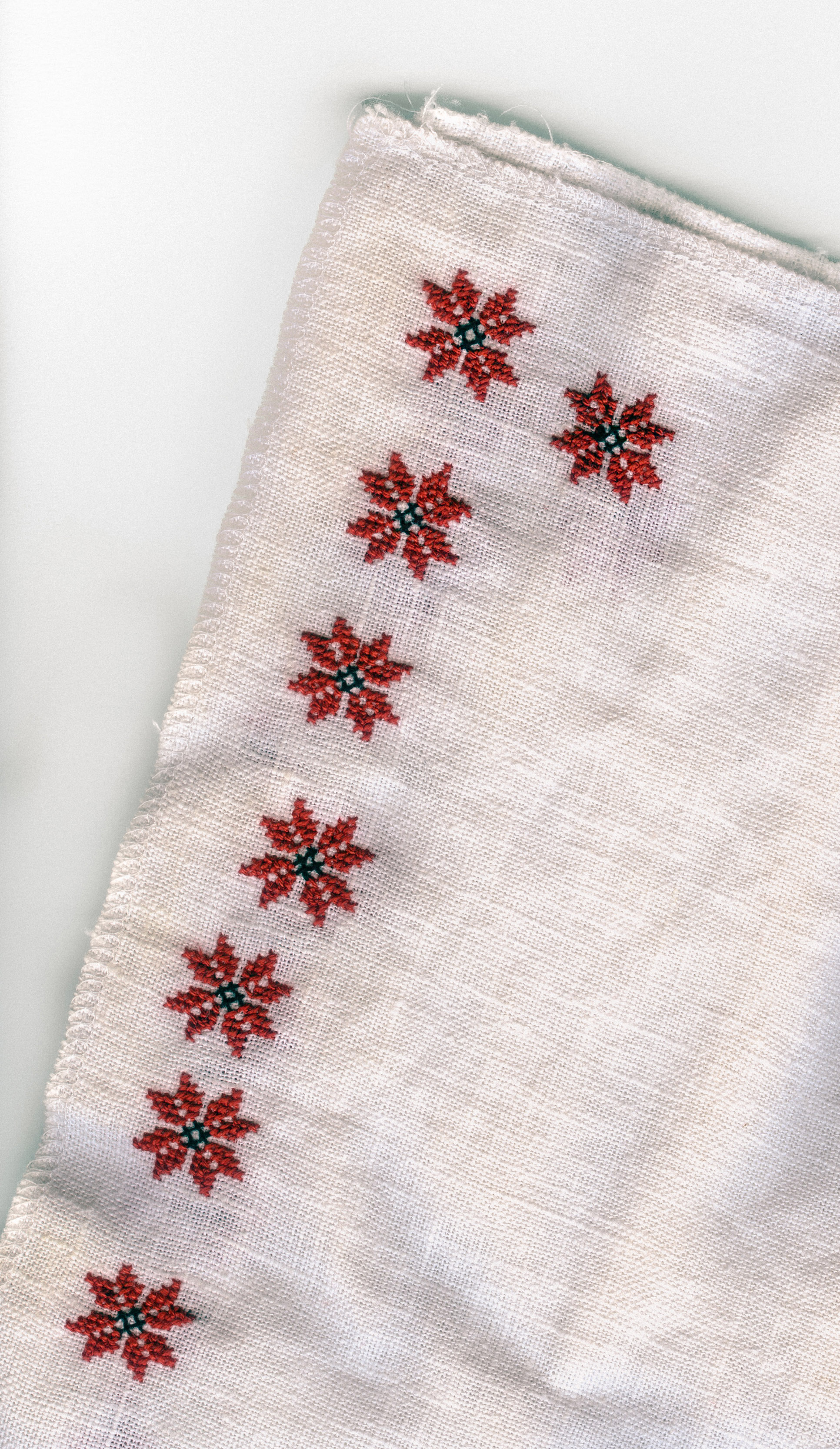
한톨, <한 숨>, 2025. 흰 천에 팔레스타인 양귀비 타트리즈, 가변크기.
온갖 풍파 속에서 침묵을 강요당한 여성과 소수자들은 말 대신 손을 움직였다. 바느질로 생계를 잇고 일상을 연결하며 우리의 ‘살림살이(삶을 살리는 살이)’를 이어왔다. 우리가 입고 먹고 잠들 수 있다는 ‘안녕’의 감각 밑에는 그 바느질의 손길이 있었다. 숨 쉬는 공기를 의식하지 못하듯 바느질도 자신을 드러내지 않은 채 우리 곁에 있어 왔다. 바느질의 선이 돌봄이자 환대였다면 높이 8m에 700km를 넘는 분리장벽의 긴 선은 단호한 차별이었다. 팔레스타인과 관계한 생명을 향해 한 치의 자비도 없이 차별하기로 한 결단 앞에서 나는 한없는 죄인이 된 기분이었다.
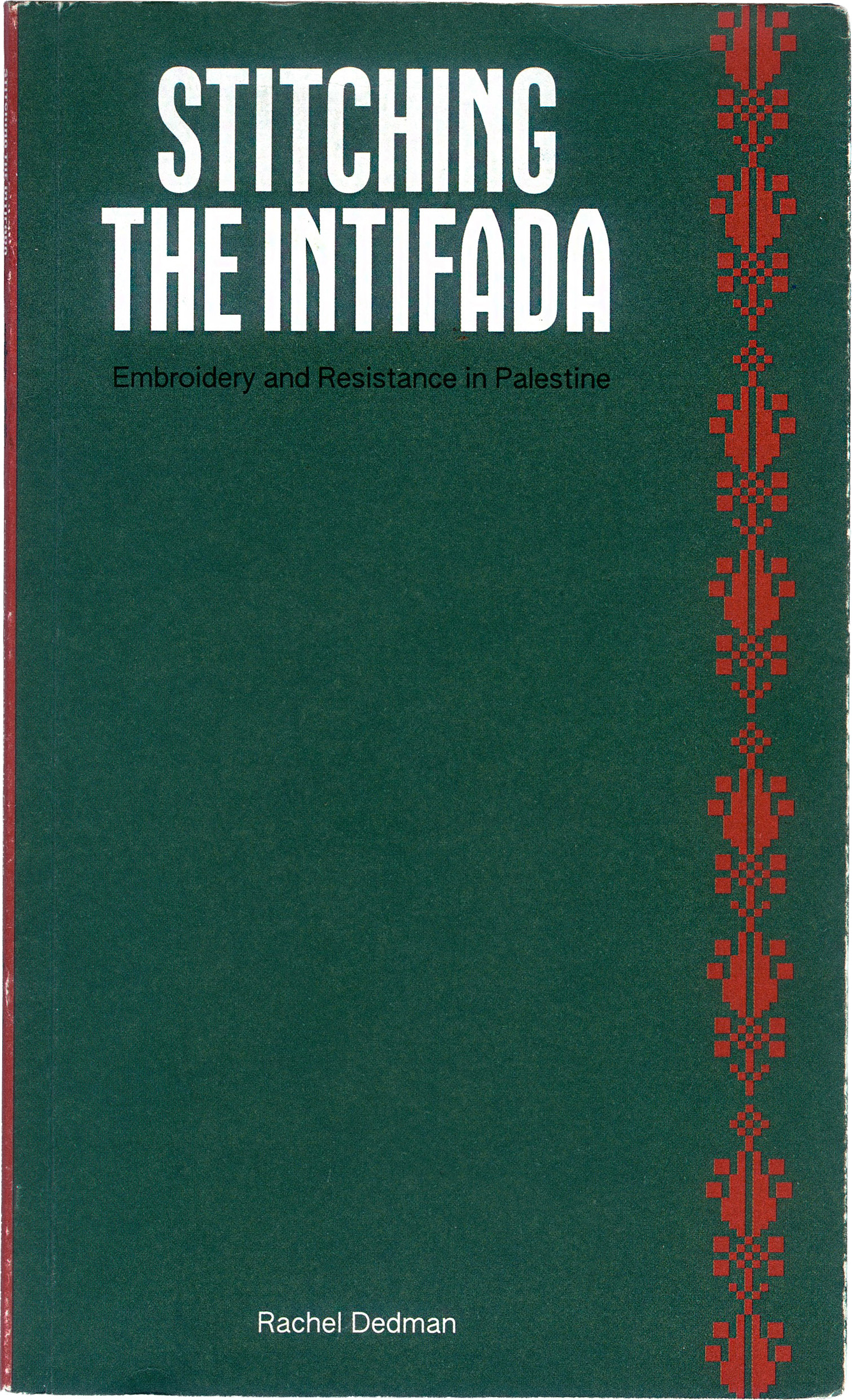
Stitching the Infitada, Common Threads Press
같은 시기에 『Stitching the Intifada: Embroidery and Resistance in Palestine (인티파다를 수놓다: 팔레스타인의 자수와 저항)』의 저자 레이첼 데드먼Rachel Dedman은 ‘타트리즈’에 관한 책을 집필하고 있었다. 그녀의 에세이를 읽는 내내 수놓는 이의 곁에 앉아 바느질 운동을 지켜보는 마음이었다. 그와 텍스트로 주고받는 바느질이라 여기며 예상치 못한 이 연결을 따라갔다.
“나는 가자에서 집단학살이 자행되는 시기에, 우리 눈앞에서 끊임없는 공포가 펼쳐지는 때에 이 글을 쓴다. 엄청난 인명 손실과 집단적 트라우마 속에서 옷에 대해 말하는 것은 중요하지 않아 보일 수도, 심지어 사소해 보일 수도 있다. 하지만 이 에세이를 통해 분명히 하고자 하는 바는, 타트리즈Tatreez—풍요로운 팔레스타인 자수 전통—는 유산 이상의 것을 구성한다는 점이다.” 2
민속은 그 자체로 정치다. 그것은 내가 존재한다는 뜻이다.
『인티파다를 수놓다: 팔레스타인의 자수와 저항』은 팔레스타인에서 자수와 저항이 어떻게 연결되어 왔는지를 다루며, 《물질적 힘(Material Power)》이라는 전시 연구를 통해 19세기 후반부터 현재까지 끊임없이 진화하는 실천으로서 팔레스타인 자수를 이해하고 규정하고자 했다. 몸에 착용되는 의복은 정치적·사회적·경제적 역동성과 제작자의 정서적 삶에 깊이 뿌리내려 있으며, 저자에게 자수는 장소의 인간적 역사를 펼쳐 보일 수 있는 친밀한 매개체다.
저자는 10년간 팔레스타인, 레바논, 요르단의 자수 장인, 큐레이터, 수집가들을 만나며 타트리즈가 담긴 의복과 공예품들을 직접 배우고 조사했다. 타트리즈의 상당 부분은 구전 전통 속에 살아 숨 쉰다. 커피 한 잔을 사이에 두고 직접 전해지는 지식으로서 말이다. 레바논 아인 엘-힐웨 난민 캠프의 자수 장인 수비예 크라옘이 말했듯, “민속은 그 자체로 정치다. 그것은 내가 존재한다는 뜻이다.”
“타트리즈는 팔레스타인의 삶이다. 실을 천에 반복적으로 엮어내는 행위 속에서, 자수는 가장 단순한 몸짓을 수반하며, 회복력을 체현하는 실천이다.”3
팔레스타인 자수란 무엇인가
전시 《물질적 힘(Material Power)》은 특별한 축제 의상이 아닌, 일반적으로 수집되거나 전시되지 않는 일상복에서 시작한다. 19세기 말 여성들이 매일 입었던 소박한 드레스들. 가슴판의 구멍은 아기에게 젖을 먹이던 흔적이고, 아이가 젖을 떼자 봉합되었다. 팔꿈치와 무릎의 덧댄 천은 그녀가 흙을 빚고 채소를 씻으며 무릎 꿇었던 시간을 증언한다. 옷을 뒤집어 보면 모자이크처럼 겹겹이 쌓이고 덧쓰여진 제작 과정이 온전히 드러나며, 변모하는 자수의 ‘필체’를 발견하게 된다. 단일 제작자와 명확한 제작 시기를 가진 ‘완결된 박물관 소장품’이 아니라, 시간이 흐르며 물질적으로 변모하고 다른 이의 손으로 넘어가는 살아있는 존재로 다가오는 이 소박한 의복들의 저항은 꽤 강렬하다.
“나는 한 옷이 한 형태로 생을 시작해, 세월이 흐르며 수없이 조각이 추가되거나 교체되어 결국 원래의 흔적이 하나 남지 않음에도 여전히 같은 드레스라는 생각이 마음에 든다.” 4
자수라는 언어
타트리즈는 여성들이 공유하는 풍부한 시각적 언어로 묘사된다. 19세기 후반 팔레스타인에서 옷과 자수는 성격, 정체성, 출신 배경을 드러내는 중요한 표지였다. 지역마다 색상과 문양, 바느질 방식도 달랐다. 예를 들어, 헤브론은 촘촘한 십자수로, 베들레헴은 타흐리리tahriri5 기법으로, 갈릴리는 가벼운 터치의 자수로 유명했다. 가자는 생동감 넘치는 분홍색과 기하학적 문양으로 유명하며, ‘켈라데qeladeh’라 불리는 목걸이 문양이 영구적인 장신구이자 부적 역할을 했다. 몸에 영구적인 보호력을 지니고 다녔다는 점에는 아름답고 시적이며 비극적인 면이 있다. 한편, 계급에 따라 토브(Thobe, 자수가 놓인 발목까지 오는 긴 의복)의 의미는 달랐다. 어떤 여성에게 그것은 망명길에도 챙긴 가장 소중한 소유물이었지만, 다른 여성에게는 내면화된 오리엔탈리즘적 놀이의 의상에 불과할 수도 있었다. 팔레스타인 자수는 정체성과 계급, 젠더와 역사가 교차하는 지점에 놓여 있으며, 그 의미는 누가 입느냐에 따라 전혀 다르게 읽힌다.
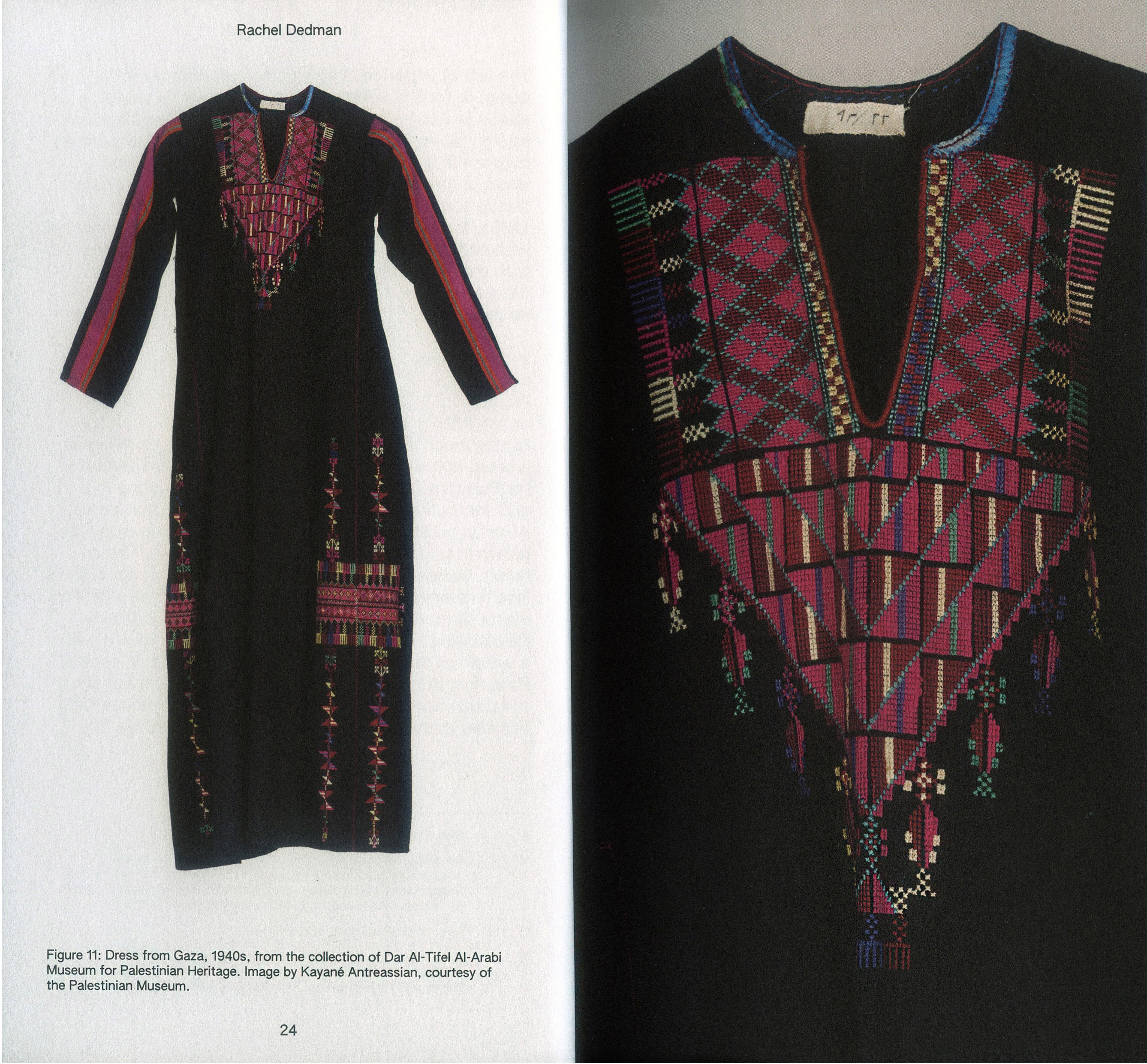
그림 11: 가자 출신의 드레스, 1940년대, 팔레스타인 유산 다알티펠 알아라비 박물관 소장. 사진: 카야네 안트레아시안, 팔레스타인 박물관 제공 © Common Threads Press
자수 놓는 여성
자수가 지역과 정체성을 드러내는 언어였다면, 대규모 추방과 이산의 역사 앞에서 그 언어는 어떻게 달라졌을까. 1948년 나크바6는 팔레스타인 모든 이의 삶을 바꿔놓았다. ‘나크바 드레스’에는 이 변화가 선명하게 남아 있다. 라말라 출신 여성이 제작한 이 드레스는 나크바 당시 집을 잃고 서안지구로 걸어 들어온 다른 여성에게 기증되었다. 새 주인은 유엔난민기구에서 지급한 밀가루 자루 천을 덧대어 사이즈를 늘렸다. 옷 옆면에는 ‘타힌(tahin, 밀가루)’의 첫 글자가 희미하게 남아 있다. 이 드레스의 물질성은 절박함뿐만 아니라, 가장 힘든 순간에 보여준 관대함과 회복탄력성을 말해준다.
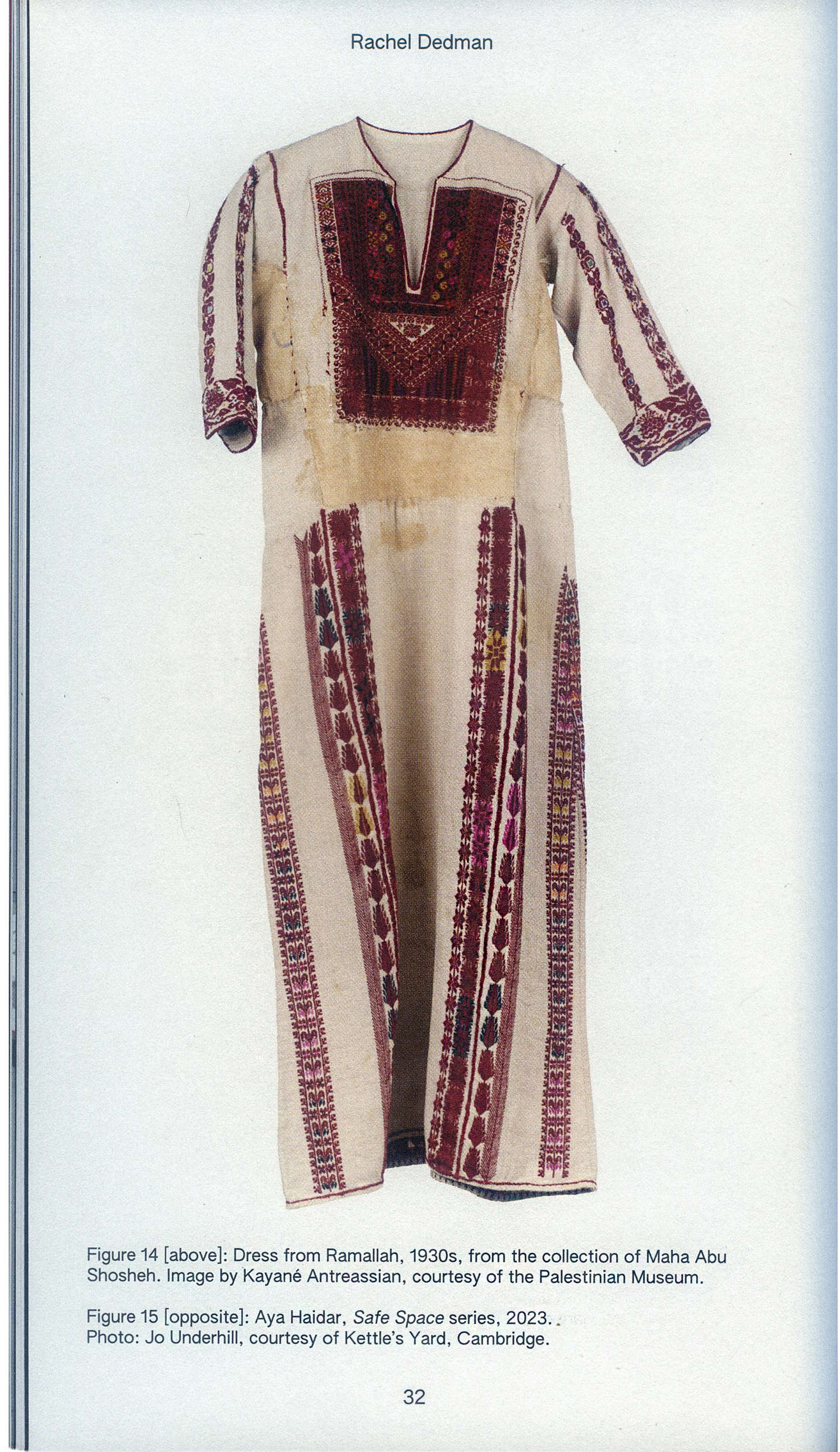
그림 14: 라말라의 드레스, 1930년대, 마하 아부 쇼셰 컬렉션 소장. 카야네 안트레아시안 촬영, 팔레스타인 박물관 제공. © Common Threads Press
나크바 이후에도 자수는 사라지지 않고 변모했다. 난민 캠프에서 지역적 다양성은 균질화되었지만, 동시에 문화 말살에 맞선 전통 유산의 부흥이 일어났다. 자수 드레스를 입은 펠라히 여성은 저항의 상징이 되었고, ‘자수를 놓는 여성’은 1970년대 해방 예술가들에 의해 대중화되었다. 그러나 그 이미지는 그녀를 단순화된 상징으로 축소시키는 효과를 낳기도 했다. 전시는 이를 통해 말한다.
“자수와 직물이 증언하고, 기억을 간직하며, 이야기를 전하는 능력을 보여줌으로써 그 자체로 조용한 저항의 형태를 이루고 있다.”7
자수와 인티파다
1970년대부터 ‘자수 여인’ 이미지는 포스터로 유포되며 팔레스타인 국가 상징과 결합되었고, PLO(Palestine Liberation Organization, 팔레스타인 해방기구)는 자수 전시를 소프트 외교 수단으로 활용했다. 신체로부터 분리된 자수는 국가 정체성을 표출하는 도구가 되었다. 1987년 제1차 인티파다8 당시, 공공장소에서 팔레스타인 국기를 드러내는 것이 불법이었기에 여성들은 저항의 상징을 직접 옷에 수놓기 시작했다. ‘인티파다 드레스’는 마을이 포위된 상태에서, 때로는 전기도 없이 수개월에서 수년에 걸쳐 완성된 작업의 결과물이었다. 자수는 감옥 안에서도 이어졌다. 수감된 남성들은 올리브 씨앗을 모으고 수건에서 실을 뽑아 아내와 딸을 위한 작품을 만들었다. 이는 자수를 ‘여성의 일’로 단순화하는 관념에 도전하며, 저항과 다정함이 하나의 바늘땀 안에 공존할 수 있음을 보여준다.
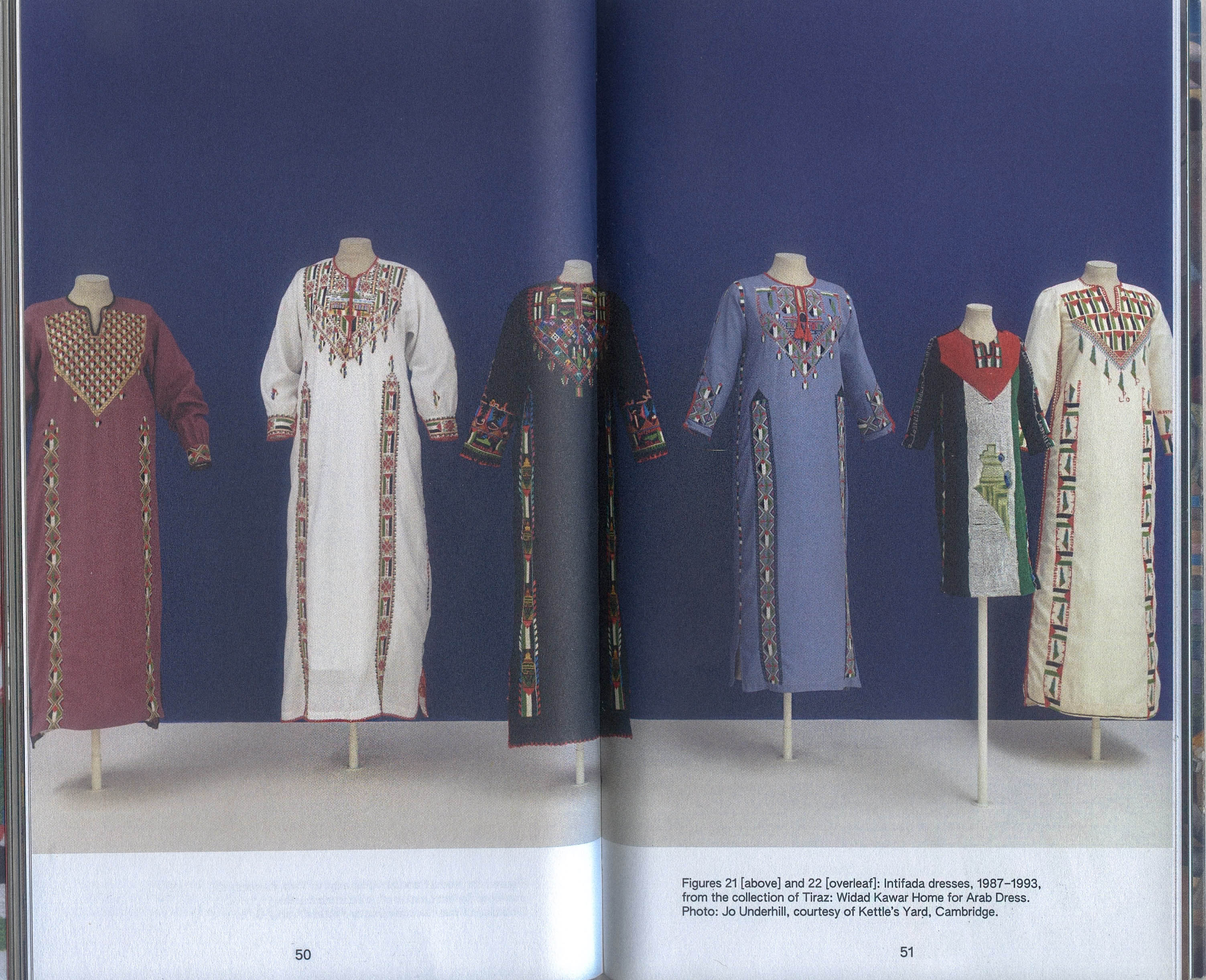
그림 21 [위]과 22 [다음 쪽]: 인티파다 드레스들, 1987–1993, 티라즈: 위다드 카와르 아랍 복식 하우스 컬렉션 소장. 조 언더힐 촬영, 케임브리지 케틀스 야드 제공. © Common Threads Press
사랑에서 노동으로
그러나 자수가 저항의 상징이 되었다고 해서 그 의미가 하나로 고정되는 것은 아니다. 오늘날 자수는 일상복보다 쿠션, 가방, 열쇠고리 같은 상품으로 더 흔히 접할 수 있다. 1948년 이후 자수는 사랑의 노동에서 유급 노동으로, 글로벌 시장의 상품으로 변모했다. NGO들은 ‘여성 역량 강화’를 내세우지만 자수공들은 수개월의 작업에 대해 판매가의 10~25%만을 받고 창의적 주도권도 갖지 못한다. 자수를 구매하는 것은 팔레스타인과의 연대 제스처로 제시되지만, 그 이면에는 불안정한 노동과 불평등한 지식 접근을 기반으로 한 자본주의 모델이 자리하고 있다. 그럼에도 자수는 여러 세대에 걸쳐 난민으로 살아온 여성들에게 고향과의 의미 있는 연결을 제공하는 자부심의 원천으로 남아 있다.
바느질의 진동과 연대
책을 읽는 내내 텍스트로 주고받는 바느질을 상상했다. 한 땀 한 땀 놓일 때마다 선은 팽팽해지고, 그 안에서 작은 진동이 느껴졌다. 주의 깊게 바라보지 않으면 포착하기 어려운 떨림이고, 귀 기울이지 않으면 들을 수 없는 울림이다. 수놓는 이의 곁에 앉아 있으면 바느질이 전하는 에너지를 미묘하게나마 감각할 수 있다. 이 책은 그 곁에 앉는 경험을 준다. 팔레스타인 자수는 아름다운 유산이기 이전에 살아있는 몸의 언어였으며, 절박한 순간에도 관대함을 잃지 않았던 여성들의 증언이었다. 레이첼 데드먼의 책을 읽으며 그 감각의 뿌리가 어디에 닿아 있는지 조금 더 선명해졌다. 바느질은 언제나 우리 곁에서 조용히 삶을 살려왔고, 그 손길은 지금 이 순간에도 멈추지 않는다. 『인티파다를 수놓다』는 그 조용하지만 단호한 진동에서 비롯된 부드러운 연대를 상상하게 한다.
글. 한톨
한톨
한톨은 활동가이자 기록자, 미술작가로서 폭력과 배제로 인해 지워지거나 침묵당한 현실을 기록하고, 다른 삶의 가능성을 드러내는 언어와 형식을 모색해왔다. 로힝야 난민의 증언을 기록하고 전달하는 방법론을 연구했으며, 전통 자수 기법으로 난민의 염원을 기록한 개인전 《로힝야 목소리 수놓기: 그리운 집》(포에버갤러리, 2025)을 개최했다. 2023년 팔레스타인-이스라엘 현장을 취재한 뒤 〈선의 풍경: 폭력으로 끊어진 선의 풍경과 공동체를 다시 잇는 선의 풍경에 관하여〉를 썼고, 이 기록은 《텍스트-운동-장 Text Movement Field/Shelf》을 통해 처음 출간되었다. 한편 공예를 중심으로 활동하는 큐레이터로서 《미미한 수저집》(KCDF, 2024)과 매듭장 이수자 박선희 개인전 《자리이다》(무서록, 2025)를 기획했다. ‘한톨’이라는 이름처럼, 그는 삶의 언어들을 한 톨씩 모아 함께 나누는 예술의 자리를 상상한다.
© Textum Club. 도서의 본문, 이미지, 표지 등 원저작물의 저작권은 해당 출판사 및 저자(권리자)에게 있습니다. 무단 복제 및 사용을 금합니다.
At the beginning of 2026, Palestine and Israel agreed to a ceasefire through U.S. mediation, yet the violence and genocide inflicted on Palestinians living in Gaza, the West Bank, and within Israel have continued unabated. The brutality of the war, which began in Gaza on October 7, 2023, swept through life in the West Bank like a tsunami. At the time, I was reporting there, and I was often detained by Israeli soldiers and made to stand with my head against the separation wall while they searched me. More difficult still were the moments when I witnessed, before my eyes, the deaths of Palestinians. Those who remained tried to gather themselves by leaning on one another, but the memory of those days and nights—when I could feel my body trembling through the dark—remains vivid.
After returning home from my reporting, I looked for some way to quiet an immeasurable anguish. From September 2024 to January 2025, I devoted one day each week to a one-person protest in Gwanghwamun Square, embroidering Palestinian poppy tatreez—a traditional Palestinian embroidery practice, the word tatreez meaning “embroidery” in Arabic. This act later led to a workshop1 with multinational citizens seeking solidarity with Palestine. Palestinian embroidery became a warm medium for those mourning pain and death. What drew me to tatreez was the sense of one another’s well-being.2 In a time when being well had become difficult for all of us, we needed that sense once again.
Hantol, A Breath, 2025. Palestinian poppy tatreez on white cloth, dimensions variable.
Women and minorities, forced into silence amid countless forms of upheaval, moved their hands instead of speaking. Through sewing, they made a living, held daily life together, and sustained the work of keeping life alive. Beneath our sense of well-being—that we are clothed, fed, and able to sleep—were those sewing hands. Just as we rarely notice the air we breathe, sewing, too, has remained beside us without drawing attention to itself. If the line of stitching was one of care and hospitality, then the line of the separation wall—over 700 kilometers long and 8 meters high—was one of unequivocal discrimination. Faced with such a merciless decision to discriminate against lives bound up with Palestine, I felt like a sinner without end.
During the same period, Rachel Dedman, author of Stitching the Intifada: Embroidery and Resistance in Palestine, was at work on a book about tatreez. As I read her essays, I felt as though I were sitting beside the person stitching, watching the movement of her hands. I followed this unexpected connection as though we were exchanging stitches through text.
” I write this at a time of genocide in Gaza, when relentless horrors are unfolding in front of our eyes. Amid incredible human loss and collective trauma, speaking about clothing may seem unimportant, even trivial. However, as I hope this essay will make clear, tatreez — the rich Palestinian tradition of embroidery — constitutes more than heritage.”3
Folklore is political in itself. It means that I exist.
Stitching the Intifada: Embroidery and Resistance in Palestine traces the ways embroidery and resistance have been intertwined in Palestine, and, through the exhibition research project Material Power, seeks to understand and articulate Palestinian embroidery as a practice that has continued to evolve from the late nineteenth century to the present. Garments worn on the body are deeply rooted in political, social, and economic dynamics, as well as in the emotional lives of their makers. For the author, embroidery is an intimate medium through which the human history of a place can be unfolded.
Over the course of a decade, Dedman met embroidery artisans, curators, and collectors in Palestine, Lebanon, and Jordan, learning from and researching garments and craft objects marked by tatreez firsthand. Much of tatreez remains alive through oral tradition—as knowledge passed directly from one person to another over a cup of coffee. As Subhiye Krayem, an embroiderer we met in Ein el-Hilweh camp in Lebanon, puts it: ‘Folklore is a politics unto itself. It means that I exist.’
“Tatreez is Palestinian life. In its repetitive binding of thread to fabric, embroidery involves the very simplest of gestures, and is a practice that embodies resilience.”4
WHAT IS PALESTINIAN EMBROIDERY
The exhibition Material Power begins not with exceptional ceremonial dress, but with everyday garments—clothes not usually collected or exhibited. Plain dresses worn daily by women in the late nineteenth century. The openings in the chest panels mark where babies were once nursed, later stitched closed after they were weaned. The patches at the elbows and knees bear witness to the time she spent kneading earth and washing vegetables on her knees. Turn the garments inside out, and their making is revealed in full: a mosaic of layers, additions, and overwriting, through which one begins to discern the changing “hand” of the embroidery. These modest clothes do not appear as “finished museum objects,” tied to a single maker and a clearly defined moment of production. Instead, they come forward as living presences—materially transformed over time, passing through the hands of others. The resistance of these humble garments is quite striking.
“I love the idea that a dress starts life in one form, and over the years has bits added to it or replaced so often that by the end of its life not one patch of the original remains, and yet it is still the same dress.”5
EMBROIDERY AS LANGUAGE
Tatreez is often described as a rich visual language shared among women. In late nineteenth-century Palestine, clothing and embroidery served as important markers of character, identity, and background. Colors, motifs, and stitching techniques also varied from region to region. Hebron, for example, was known for its dense cross-stitching; Bethlehem for the tahriri6 technique; and Galilee for its lighter touch in embroidery. Gaza was known for its vivid pinks and geometric motifs, including the necklace pattern known as qeladeh, which functioned both as a permanent adornment and as an amulet. There is something beautiful, poetic, and tragic in the idea of carrying a form of lasting protection on the body.
Figure 11: Dress from Gaza, 1940s, from the collection of Dar Al-Tifel Al-Arabi Museum for Palestinian Heritage. Image by Kayané Antreassian, courtesy of the Palestinian Museum. © Common Threads Press
At the same time, the meaning of the thobe—an embroidered ankle-length garment—shifted according to class. For some women, it was the most precious possession they carried with them even into exile; for others, it may have been no more than a costume in an internalized orientalist fantasy. Palestinian embroidery lies at the intersection of identity and class, gender and history; its meaning shifts entirely depending on who wears it.
THE EMBROIDERY WOMAN
If embroidery once functioned as a language that expressed region and identity, how did that language change in the face of mass displacement and diaspora? The Nakba7 of 1948 altered the lives of all Palestinians. That transformation remains sharply visible in the “Nakba dress.” Made by a woman from Ramallah, the dress was given to another woman who had lost her home during the Nakba and walked into the West Bank. Its new owner enlarged it by adding panels cut from a flour sack distributed by the United Nations Relief and Works Agency for Palestine Refugees in the Near East (UNRWA). Along the side of the garment, the first letter of tahin (“flour”) still remains faintly visible. The materiality of this dress speaks not only of desperation, but also of the generosity and resilience shown in a time of profound hardship.
Figure 14: Dress from Ramallah, 1930s, from the collection of Maha Abu Shosheh. Image by Kayané Antreassian, courtesy of the Palestinian Museum. © Common Threads Press
Embroidery did not disappear after the Nakba; it changed form. In the refugee camps, regional distinctions were flattened, yet at the same time there emerged a revival of traditional heritage in resistance to cultural erasure. The fellahi woman in an embroidered dress became a symbol of resistance, and “the embroidery woman” was popularized by liberation artists in the 1970s. Yet that image also had the effect of reducing her to a simplified symbol. The exhibition makes this clear.
“They speak to the ability of embroidery and textiles to bear witness, hold memory and tell stories, and in so doing constitute a quiet form of resistance in themselves.”8
EMBROIDERY AND THE INTIFADA
From the 1970s onward, the image of the “embroidery woman” circulated through posters and became bound up with Palestinian national symbolism, while the Palestine Liberation Organization (PLO) used embroidery exhibitions as a form of soft diplomacy. Separated from the body, embroidery became a tool for articulating national identity. During the First Intifada9 in 1987, when displaying the Palestinian flag in public was illegal, women began embroidering symbols of resistance directly onto their clothing. The “Intifada dress” was the result of work completed over months, and sometimes years, in villages under siege and at times without electricity. Embroidery continued even inside prisons. Imprisoned men gathered olive pits and pulled threads from towels to make pieces for their wives and daughters. In doing so, they challenged the notion that embroidery could be reduced to “women’s work,” showing that resistance and tenderness can coexist within a single stitch.
Figures 21 [above] and 22 [overleaf]: Intifada dresses, 1987–1993, from the collection of Tiraz: Widad Kawar Home for Arab Dress. Photo: Jo Underhill, courtesy of Kettle’s Yard, Cambridge. © Common Threads Press
FROM LOVE TO LABOUR
Yet embroidery’s emergence as a symbol of resistance does not fix its meaning once and for all. Today, it is more commonly encountered as a commodity—on cushions, bags, and key rings—than as everyday clothing. Since 1948, embroidery has shifted from a labor of love to paid work, and from there into a product for the global market. NGOs speak in the language of “women’s empowerment,” yet embroiderers receive only 10 to 25 percent of the final sale price for work that may take months, while holding little creative authority. The purchase of embroidery is presented as a gesture of solidarity with Palestine, but beneath this lies a capitalist model grounded in precarious labor and unequal access to knowledge. And yet, across generations of displacement, embroidery remains a source of pride for refugee women, offering a meaningful link to home.
The Vibration of Stitching and Solidarity
Throughout the book, I imagined stitches exchanged through text. With each stitch laid down, the line grew taut, and within it I could sense a small vibration. It is a tremor difficult to catch unless one looks with care, and a resonance impossible to hear unless one listens closely. To sit beside the person stitching is to perceive, however faintly, the energy carried by sewing. This book offers that experience of sitting beside her.
Before it was a beautiful heritage, Palestinian embroidery was a language of living bodies, and a testimony carried by women who did not relinquish their generosity even in moments of desperation. Reading Rachel Dedman’s book, I came to see more clearly where the roots of that feeling lay. Stitching has always sustained life quietly at our side, and those hands have not stopped even now. Stitching the Intifada invites us to imagine a gentle yet unwavering solidarity arising from that quiet vibration.
Text. Hantol
Hantol is an activist, documentarian, and visual artist whose work records realities erased or silenced by violence and exclusion, while seeking languages and forms that make other ways of living visible. He has researched methods for recording and conveying the testimonies of Rohingya refugees, and presented the solo exhibition Embroidering Rohingya Voices: The Home We Long For (Forever Gallery, 2025), which traced refugees’ wishes through traditional embroidery techniques. After reporting from Palestine and Israel in 2023, he wrote Landscape of Lines: On the Lines Severed by Violence and the Lines That Reconnect Community, first published through Text Movement Field/Shelf.
He also works as a curator whose practice centers on craft, and has organized A Modest Spoon Case (KCDF, 2024) and Jariida (Museorok, 2025), a solo exhibition by Sun-hee Park, a practitioner of maedeup (traditional Korean knotting) and an apprentice of the National Intangible Cultural Heritage master in the field.
Like his artist name, Hantol—meaning “a single grain,” often used of a grain of rice—his practice imagines an artistic space where the languages of life are gathered and shared, one by one.
© Textum Club. Copyright in the original work—including the book’s text, images, and cover—remains with the publisher and the author (rightsholders). Unauthorized use is prohibited.
2026年初頭、パレスチナとイスラエルはアメリカの仲介によって停戦に合意した。しかし、ガザ、西岸地区、そしてイスラエルの地で生きるパレスチナの人びとに向けられた暴力とジェノサイドは、いまなお続いている。2023年10月7日、ガザで始まった戦争の凄惨さは、津波のように西岸地区の暮らしをも呑み込んだ。当時、西岸地区を取材していた私は、たびたびイスラエル軍に拘束され、分離壁に頭を押しつけられたまま検問を受けなければならなかった。それ以上に辛かったのは、目の前で消えていったパレスチナの人びとの死を見つめることだった。生き残った人びとは互いに支え合いながら、どうにか心を立て直していたが、夜を通して震える身体の感覚に耐えたあの日々は、いまもなお鮮烈に残っている。
取材を終えて帰国した私は、尽きることのない苦しみを少しでも鎮めようと、2024年9月から2025年1月まで、毎週一日を定め、光化門広場でパレスチナのポピーのタトリーズ(Tatreez、アラビア語で「刺繍」を意味する、パレスチナの伝統的な刺繍技法)を縫いながら、一人で抗議を続けた。この実践は、パレスチナとの連帯を願う多国籍の市民たちとともに行うワークショップ1へとつながっていった。パレスチナ刺繍は、苦しみと死を悼む人びとにとって、あたたかな媒介となった。私がタトリーズを思い起こしたのは、「安寧」の感覚のためだった。安寧ではありえない時代を生きる私たちすべてに、いま一度、その感覚が必要だった。
Hantol, A Breath, 2025. Palestinian poppy tatreez on white cloth, dimensions variable.
さまざまな波瀾のなかで沈黙を強いられてきた女性たちやマイノリティは、言葉の代わりに手を動かした。針仕事によって生計をつなぎ、日々の暮らしをつなぎながら、私たちの「暮らし向き(生を支える営み)」を支え続けてきた。私たちが着ることができ、食べることができ、眠ることができるという「安寧」の感覚の底には、そうした針仕事の手つきがあった。呼吸する空気をふだん意識しないように、針仕事もまた、自らを誇示することなく、私たちの傍らにあり続けてきた。針の運ぶ線がケアであり歓待であったのだとすれば、高さ8メートル、700キロメートルを超えて延びる分離壁の長い線は、断固たる差別そのものだった。パレスチナに連なる命へ、一片の慈悲もなく線を引き、差別することを選び取ったその決定の前で、私は果てしない罪の感覚に襲われた。
Stitching the Infitada, Common Threads Press
ちょうどその頃、『Stitching the Intifada: Embroidery and Resistance in Palestine(インティファーダを縫う――パレスチナにおける刺繍と抵抗)』の著者であるレイチェル・デッドマンRachel Dedmanも、「タトリーズ」に関する本を執筆していた。彼女のエッセイを読んでいるあいだじゅう、刺繍する人の傍らに座り、その針の運びを静かに見つめているような心持ちだった。私はそれを、彼女とテクストを通して交わす針仕事の往復のように受けとめながら、思いがけず立ち現れたこのつながりをたどっていった。
「私がこれを書いているのは、ガザでジェノサイドが進行しているさなかであり、執拗な恐怖が私たちの目の前で絶えず繰り広げられている時である。甚大な人命の喪失と集団的なトラウマのただなかにあって、衣服について語ることは、重要ではないどころか、些末なことのようにさえ思われるかもしれない。けれども、このエッセイが明らかにしようとするように、タトリーズ――パレスチナの豊かな刺繍の伝統――は、単なる文化遺産にはとどまらない。」2
民俗とは、それ自体が政治である。
そこには、私が存在しているという意味がある。
『Stitching the Intifada: Embroidery and Resistance in Palestine(インティファーダを縫う――パレスチナにおける刺繍と抵抗)』は、パレスチナにおいて刺繍と抵抗がいかに結びついてきたのかをたどる一冊であり、《Material Power》という展覧会リサーチを通して、19世紀後半から現在にいたるまで絶えず変化し続けてきた実践として、パレスチナ刺繍を理解し、位置づけようとしたものである。身体にまとう衣服は、政治的・社会的・経済的な力学と、作り手の感情の生とに深く根ざしている。そして著者にとって刺繍とは、ある土地に刻まれた人間の歴史をひらいて見せる、親密な媒介でもある。
著者は10年にわたり、パレスチナ、レバノン、ヨルダンの刺繍職人、キュレーター、コレクターたちに会い、タトリーズが施された衣服や工芸品について、実地に学び、調査を重ねてきた。タトリーズの大部分は、口承の伝統のなかにいまも息づいている。コーヒーを一杯はさんで、手から手へと直接受け渡される知として。レバノンのアイン・エル=ヒルウェ難民キャンプの刺繍職人、スビイェ・クラアイェムが語ったように、「民俗とは、それ自体が政治である。そこには、私が存在しているという意味がある。」
「タトリーズは、パレスチナの生そのものである。糸を布に反復的に結びとめてゆくその営みのうちに、刺繍はきわめて素朴な身ぶりを含みながら、同時に、レジリエンスを体現する実践でもある。」3
パレスチナ刺繍とは何か
展覧会《Material Power》は、特別な祝祭の衣装ではなく、ふだんは収集されることも展示されることも少ない日常着から始まる。19世紀末、女性たちが日々身につけていた素朴なドレスである。胸元の開きには、赤子に乳を含ませていた痕跡が残り、子が乳離れするとそこは縫い閉じられた。肘や膝に当てられた布は、彼女が土をこね、野菜を洗い、膝をついて過ごした時間を静かに物語っている。衣服を裏返すと、モザイクのように幾重にも重ねられ、継ぎ足されてきた制作の過程がそのままあらわれ、移り変わってゆく刺繍の「筆致」にも気づかされる。単一の作り手と明確な制作年代をもつ「完結した博物館収蔵品」としてではなく、時間とともに物質として姿を変え、別の誰かの手へと渡ってゆく、生きたものとして立ちあらわれるのである。そうした素朴な衣服には、静かでありながら、たしかな抵抗の力が宿っている。
「一着のドレスがある形で生を受け、その後の年月のなかで幾度となく布が足され、取り替えられ、ついにはもとの部分がひとつも残っていなくなっても、それでもなお同じ一着のドレスであり続ける――私はその考えに強く惹かれる。」4
刺繍という言語
タトリーズは、女性たちのあいだで共有される豊かな視覚言語として語られてきた。19世紀後半のパレスチナにおいて、衣服と刺繍は、その人の気質やアイデンティティ、出自を示す重要なしるしでもあった。地域ごとに、色彩も文様も、針の運びも異なっていた。たとえば、ヘブロンは緻密なクロスステッチで、ベツレヘムはタフリーリtahriri5 の技法で、ガリラヤは軽やかなタッチの刺繍で知られていた。ガザは、生気を帯びたピンクと幾何学的な文様でよく知られ、「ケラーデqeladeh」と呼ばれる首飾りの文様は、永続する装身具であると同時に護符の役割も果たしていた。身体に恒久的な守りを携えていたということには、美しく、詩的で、どこか悲劇的な響きがある。
一方で、階級によってトーブ(Thobe、刺繍の施された足首丈の長衣)がもつ意味は異なっていた。ある女性にとってそれは、亡命の途上にも携えていったかけがえのない持ち物であったが、別の女性にとっては、内面化されたオリエンタリズムの遊戯にすぎない衣装でしかなかったかもしれない。パレスチナ刺繍は、アイデンティティと階級、ジェンダーと歴史が交差する地点に置かれており、その意味は、誰が身につけるのかによってまったく異なるものとして立ちあらわれる。
図11 1940年代のガザのドレス。Dar Al-Tifel Al-Arabi Museum for Palestinian Heritage 所蔵。撮影:Kayané Antreassian。画像提供:Palestinian Museum。© Common Threads Press
刺繍する女性
もし刺繍が地域とアイデンティティをあらわす言語であったのだとすれば、大規模な追放と離散の歴史を前にして、その言語はどのように変わっていったのだろうか。1948年のナクバ6は、あらゆるパレスチナの人びとの生を一変させた。「ナクバ・ドレス」には、その変化がはっきりと刻まれている。ラマッラー出身の女性が仕立てたこのドレスは、ナクバのさなかに家を失い、歩いてヨルダン川西岸へとたどり着いた別の女性へ贈られた。新たな持ち主は、国連難民機関から支給された小麦粉袋の布を継ぎ足し、衣服の寸法を広げた。衣服の脇には、「タヒーン(tahin、小麦粉)」の頭文字がかすかに残っている。このドレスの物質性が語っているのは、切迫した状況だけではない。もっとも苛酷な時間のなかで示された寛容さと、立ち直る力でもある。
図14 1930年代のラマッラーのドレス。Maha Abu Shosheh コレクション蔵。撮影:Kayané Antreassian。画像提供:Palestinian Museum。© Common Threads Press
ナクバ以後も、刺繍は消え去ることなく、かたちを変えながら生き続けた。難民キャンプでは地域ごとの多様性が均されていった一方で、文化の抹消に抗するように、伝統的な遺産をよみがえらせる動きも生まれた。刺繍のドレスをまとったファラーヒーンの女性は抵抗の象徴となり、「刺繍する女性」というイメージは、1970年代の解放芸術家たちによって広く流通していった。しかしその像は、彼女を単純化された象徴へと縮減してしまう作用をも、同時にはらんでいた。展覧会は、そのことを通して語りかけている。
「それらは、刺繍とテキスタイルが証言し、記憶を宿し、物語を語る力をもっていることを示している。そして、そのことを通して、それ自体が静かな抵抗のかたちをなしているのである。」7
刺繍とインティファーダ
1970年代以降、「刺繍する女性」のイメージはポスターを通して広まり、パレスチナの国家的象徴と結びついていった。PLO(Palestine Liberation Organization、パレスチナ解放機構)は、刺繍の展示をソフト・ディプロマシーの手段としても活用した。身体から切り離された刺繍は、国家的アイデンティティを表現するための道具となっていったのである。1987年の第一次インティファーダ8の時期には、公の場でパレスチナの旗を掲げることが禁じられていたため、女性たちは抵抗の象徴をみずからの衣服に直接刺繍し始めた。「インティファーダ・ドレス」は、村が包囲された状況のなかで、ときには電気さえないまま、数か月から数年をかけて仕上げられた仕事の結晶だった。刺繍は、獄中でも続けられた。収監された男性たちはオリーブの種を集め、タオルから糸を抜き取り、妻や娘のための品を作ったのである。それは、刺繍を「女性の仕事」として単純に捉える観念に揺さぶりをかけるとともに、抵抗とやさしさとが、ひとつの針目のなかにともに息づきうることを示している。
図21[上]および図22[次頁] インティファーダ・ドレス、1987–1993年。Tiraz: Widad Kawar Home for Arab Dress 所蔵。撮影:Jo Underhill。画像提供:Kettle’s Yard, Cambridge。© Common Threads Press
愛から労働へ
しかし、刺繍が抵抗の象徴となったからといって、その意味がひとつに固定されるわけではない。今日では刺繍は、日常着よりも、クッションやバッグ、キーホルダーといった商品として目にすることのほうが多い。1948年以後、刺繍は愛の労働から有償の労働へ、さらにはグローバル市場に流通する商品へと姿を変えていった。NGOは「女性のエンパワーメント」を掲げるが、刺繍の作り手たちは、数か月に及ぶ仕事に対して販売価格の10〜25%しか受け取れず、創造的な主導権を持つこともできない。刺繍を買うことは、パレスチナとの連帯の身ぶりとして提示される一方で、その背後には、不安定な労働と不平等な知へのアクセスのうえに成り立つ資本主義のモデルが横たわっている。それでもなお、刺繍は、幾世代にもわたって難民として生きてきた女性たちにとって、故郷と結び直されるための意味ある回路であり、誇りの拠りどころであり続けている。
針仕事の振動と連帯
本を読んでいるあいだじゅう、私はテクストを通して交わされる針仕事を思い描いていた。一針ごとに線は張りつめ、その内側でかすかな振動が生まれる。注意深く見つめなければ捉えがたい揺れであり、耳を澄まさなければ届かない響きでもある。刺繍する人の傍らに座っていると、針仕事が伝えるエネルギーを、ごく微かではあっても感じとることができる。この本は、その傍らに座る経験を与えてくれる。パレスチナ刺繍は、美しい遺産である以前に、生きた身体の言語であり、切迫した瞬間にあっても寛容さを失わなかった女性たちの証言でもあった。レイチェル・デッドマンの本を読みながら、その感覚の根がどこに触れているのかが、少しずつ、よりはっきりと見えてきた。針仕事はいつも私たちの傍らで静かに生を支えてきたし、その手の動きは、いまこの瞬間にも止むことがない。『インティファーダを縫う』は、その静かでありながら揺るぎない振動から生まれる、やわらかな連帯を想像させる。
文・ハントルHantol
ハントルHantol
ハントルは、アクティヴィスト、記録者、美術作家。暴力や排除によって不可視化され、沈黙を強いられてきた現実を記録し、そこから別の生の可能性をひらくための言葉と形式を探ってきた。ロヒンギャ難民の証言を記録し、伝えるための方法論を研究するとともに、伝統的な刺繍技法を用いて難民たちの願いを刻んだ個展「로힝야 목소리 수놓기: 그리운 집(ロヒンギャの声を縫う――恋しい家)」(Forever Gallery、2025)を開催した。2023年にはパレスチナ/イスラエルの現地を取材し、その後、「線の風景――暴力によって断ち切られた線の風景と、共同体を再び結び直す線の風景について」を執筆。この記録は『テクスト・ムーブメント・フィールド Text Movement Field/Shelf』に初めて掲載された。
また、工芸を軸に活動するキュレーターとして、「미미한 수저집(ささやかな匙袋)」(KCDF、2024)、およびメドゥプ匠の履修者パク・ソニの個展「자리이다(場である)」(ムソロク、2025)を企画している。「ハントル(一粒、ひとつぶの意)」という名のとおり、暮らしの言葉を一粒ずつ集め、ともに分かち合うための芸術の場を思い描いている。
-
《호호실실 팔레스타인 편: 팔레스타인 꽃 자수 놓기》 사단법인 아디와 함께한 워크숍
-
레이첼 데드먼, 『인티파다를 수놓다: 팔레스타인의 자수와 저항』, Common Threads Press, 2024, 5쪽 (원제: Stitching the Intifada: Embroidery and Resistance in Palestine, 2024)
-
lbid., 5.
-
lbid., 12.
-
타흐리리(tahriri)는 베들레헴 지역을 대표하는 팔레스타인 자수 기법이다. 카우칭(couching) 방식의 자수로, 천 표면에 굵은 실을 올려놓고 이를 가는 바느질로 고정해 도드라진 표면 장식을 만든다.
-
1948년 5월 15일 나크바(Nakba, 아랍어로 '재앙')는 이스라엘 건국 전후로 약 75만 명 이상의 팔레스타인 주민들이 폭력으로 고향에서 추방되고, 땅과 재산을 몰수당한 사건이다. 이 사건으로 팔레스타인인들은 난민이 되었으며, 현재까지 이어지는 이스라엘-팔레스타인 분쟁의 근본적인 원인이 되었다. 팔레스타인인들은 이스라엘 건국일 다음날을 '나크바의 날'로 정해 파괴된 옛 고향을 기억하고 항거하고 있다.
-
lbid., 20.
-
인티파다(Intifada)는 아랍어로 '떨쳐 일어남', '봉기'를 뜻한다. 1987년 12월, 이스라엘의 가자지구·서안지구 군사 점령에 맞선 팔레스타인 민중 봉기로, 시위·파업·불매운동 등의 방식으로 전개된 제1차 인티파다는 1993년 오슬로 협정 체결과 함께 마무리되었다.
-
“Hohosilsil: Palestine Edition — Embroidering Palestinian Floral Motifs” a workshop presented in collaboration with the Adi Foundation
-
Korean word Annyeong (안녕) refers to well-being, peace, and safety. It also forms the core of annyeonghaseyo (안녕하세요), the everyday Korean greeting used like “hello,” so the word carries both the sense of being well and the everyday gesture of asking whether another person is well.
-
Rachel Dedman, Stitching the Intifada: Embroidery and Resistance in Palestine (Common Threads Press, 2024), 5
-
lbid., 5.
-
lbid., 12.
-
Tahriri is a Palestinian embroidery technique closely associated with Bethlehem. Using a couching method, it places a thicker thread on the fabric surface and anchors it with fine stitches, producing raised and often curving ornamental patterns.
-
The Nakba—Arabic for “catastrophe”—refers to the mass displacement and dispossession of Palestinians during the 1948 war, in which more than 750,000 Palestinians were violently driven from their homes around the time of the establishment of Israel, and their land and property were seized. This event turned Palestinians into refugees and became a foundational cause of the conflict that continues to shape Israeli-Palestinian relations to this day. Palestinians commemorate the day after Israel’s founding, May 15, as Nakba Day, remembering their destroyed hometowns and continuing their resistance.
-
lbid., 20.
-
Intifada is an Arabic word meaning “shaking off” or “uprising.” Beginning in December 1987, the First Intifada was a Palestinian popular uprising against Israel’s military occupation of the Gaza Strip and the West Bank. It unfolded through demonstrations, strikes, and boycotts, and came to an end with the Oslo Accords in 1993.
-
ワークショップ「ホホシルシル パレスチナ編――パレスチナの花の刺繍を縫う」。一般社団法人アディとともに実施。
-
レイチェル・デッドマン『インティファーダを縫う――パレスチナにおける刺繍と抵抗』Common Threads Press、2024年、5頁。 (原題:Stitching the Intifada: Embroidery and Resistance in Palestine, 2024)
-
同上、5頁。
-
同上、12頁。
-
タフリーリ(tahriri)は、ベツレヘム地方を代表するパレスチナ刺繍の技法である。カウチング・ステッチの一種で、布の表面に太い糸を置き、それを細かな縫いで留めることによって、浮き立つような表面装飾を生み出す。
-
1948年5月15日のナクバ(Nakba、アラビア語で「災厄」の意)は、イスラエル建国の前後に、およそ75万人以上のパレスチナ住民が暴力によって故郷から追放され、土地と財産を没収された出来事を指す。この出来事によってパレスチナ人は難民となり、現在にまで続くイスラエル・パレスチナ紛争の根本的な原因となった。パレスチナの人びとは、イスラエル建国の翌日を「ナクバの日」と定め、失われた故郷を記憶し、抗議を続けている。
-
同上、20頁。
-
インティファーダ(Intifada)は、アラビア語で「振り払い立ち上がること」「蜂起」を意味する。1987年12月、イスラエルによるガザ地区およびヨルダン川西岸の軍事占領に抗して起こったパレスチナ民衆の蜂起であり、デモ、ストライキ、ボイコットなどのかたちで展開された第一次インティファーダは、1993年のオスロ合意の締結とともに終結した。