텍스텀 클럽(Textum Club)은 패션비평과 관련된 프랙티스와 출판을 위한 연구모임입니다. 직물을 뜻하는 ‘textile’과 글을 의미하는 ‘text’의 공통 어원인 ‘엮다’는 뜻을 가진 텍스텀 클럽은 패션 비평 아카이브로써 비평적 패션(Critical Fashion) 관련 국내외의 도서를 소개합니다.
비평적 패션 프로젝트 및 담론의 지속적 연구와 확산을 위해 전시, 출판, 연구, 워크숍 등 다양한 활동을 추진하여 국내외의 디자이너, 예술가, 연구자, 패션종사자의 네트워크장으로써 기능하고자 합니다.
Textum Club is a research group dedicated to practices and publishing in fashion criticism based in Seoul. Derived from the common roots of 'textile' and 'text,' meaning 'to weave,' Textum Club introduces books and articles related to critical fashion as part of its fashion criticism archive.
It aims to serve as a networking platform for designers, artists, researchers, and fashion practitioners globally through various activities including exhibitions, publishing, research, and workshops.
テキスタムクラブ(Textum Club)は、ファッション批評に関する実践と出版のためのリサーチグループです。布地を意味する「textile」と、文章を意味する「text」という言葉の共通の語源である「編む(texere)」という概念に基づくテキスタムクラブは、ファッション批評のアーカイブとして、クリティカル・ファッション(Critical Fashion)に関連する各国の書籍を紹介しています。
批評的ファッションのプロジェクトやディスコースの継続的な研究と普及を目指し、展覧会、出版、リサーチ、ワークショップなど多様な活動を展開しながら、各国のデザイナー、アーティスト、研究者、ファッション関係者のネットワークの場として機能することを目指しています。
-
김서희는 세히쿄(SEHIKYO) 프로젝트를 운영하며, 옷이 언제, 어떻게 이미지가 되는가라는 질문을 중심으로 제작과 착용을 하나의 연속된 과정으로 탐구합니다. 런던 칼리지 오브 패션(BA)과 영국 왕립예술학교(MA)에서 패션 디자인을 전공했으며, 전시, 워크숍, 프레젠테이션을 통해 옷이 개인적·사회적 경험의 장으로 작동하는 가능성을 이어 탐구해왔습니다. 현재 도쿄예술대학교 미술연구과에서 박사과정을 진행 중입니다.
Seohee Kim runs the SEHIKYO project, exploring making and wearing as a single continuous process centered on the question of when and how a garment becomes an image. She studied fashion design at London College of Fashion (BA) and the Royal College of Art (MA), and has continued to investigate the potential of clothing as a site where personal and social experience takes shape, through exhibitions, workshops, and presentations. She is currently a doctoral candidate at Tokyo University of the Arts, Graduate School of Fine Arts. More information about her work can be found at www.sehikyo.org.
キム・ソヒはSEHIKYOプロジェクトを主宰し、服はいつ、どのようにしてイメージになるのかという問いを中心に、制作と着用を一続きのプロセスとして探求しています。ロンドン・カレッジ・オブ・ファッション(BA)およびロイヤル・カレッジ・オブ・アート(MA)でファッションデザインを専攻し、展示、ワークショップ、プレゼンテーションを通じて、服が個人的・社会的な経験の場として機能する可能性を探り続けてきました。現在は東京藝術大学大学院美術研究科にて博士課程に在籍しています。
-
김연우는 큐레이터, 연구자, 제작자로 활동하고 있으며, 텍스텀 클럽의 공동 창립자로서 패션 비평과 관련된 연구, 전시, 출판 활동을 수행하고 있습니다. 그녀는 2023 청주 공예 비엔날레를 비롯하여 서울과 제주에서 공예와 예술 관련 다양한 전시를 큐레이션했습니다. 연세대학교에서 철학과 의류환경을 공부한 후, 센트럴 세인트 마틴과 영국 왕립 예술 대학교에서 패션을 전공했습니다. 그녀는 패션 현상의 철학적 분석에 대한 이론과 실천을 연구하며, 패션에 대한 대안적인 시각을 제공하고자 합니다.
Yeonwoo Kim works as a curator, researcher, and maker, and is a co-founder of Textum Club, where she engages in research, exhibitions, and publishing related to fashion criticism. She has curated various craft and art exhibitions in cities including Seoul and Jeju, notably the 2023 Cheongju Craft Biennale. After studying philosophy and clothing environment at Yonsei University, she pursued fashion at Central Saint Martins and the Royal College of Art in the UK. She researches the theory and practice of philosophical analysis of fashion phenomena, aiming to provide an alternative perspective on fashion. More details about her work and contributions can be found on the www.fashionknowledgehoarder.com
キム・ヨヌはキュレーター、研究者、そしてクリエイターとして活動しており、テキスタムクラブの共同設立者として、ファッション批評に関するリサーチ、展覧会、出版活動を行っています。彼女は2023年の清州工芸ビエンナーレを含め、ソウルや済州で工芸とアートに関する様々な展覧会をキュレーションしてきました。延世大学で哲学と衣類環境を学んだ後、セントラル・セント・マーチンズおよび英国王立芸術大学でファッションを専攻しました。彼女はファッション現象の哲学的分析に関する理論と実践を研究し、ファッションに対する新たな視点を提示することを目指しています。www.fashionknowledgehoarder.com
-
황혜림은 시각예술 및 공예 분야에서 활동중인 큐레이터입니다. 분단, 장애, 게임, 웹툰 등 경계에 머무는 것들에 대해 많은 관심을 갖고, 연구 및 전시 활동에 참여하고 있습니다.
Hwang Hyerim is a curator active in the fields of visual arts and crafts. She has a keen interest in topics residing at boundaries such as division, disability, gaming, and webtoons, and is involved in research and curatorial projects related to these themes.
ファン・ヘリムは、視覚芸術および工芸の分野で活動しているキュレーターです。分断、障害、ゲーム、ウェブトゥーンなど、境界にとどまるものごとに強い関心を持ち、リサーチや展覧会の活動に取り組んでいます。
-
텍스텀 클럽의 활동에 관심이 있는 여러분의 참여를 환영합니다! 패션과 관련된 책이나 주제를 추천해주세요. 또한 문의사항이 있다면 언제든지 저희에게 메일을 보내주세요.
We welcome your participation in Textum Club’s activities! Please recommend books or topics related to fashion that interest you. If you have any questions, feel free to email us at any time.
テキスタムクラブの活動にご関心のある皆さまのご参加を心よりお待ちしております。ファッションに関する書籍やテーマのご推薦もぜひお寄せください。ご質問などがありましたら、いつでもお気軽にメールでご連絡ください。
textum.club@gmail.com
@textum.club
textum.club@gmail.com
@textum.club
textum.club@gmail.com
@textum.club
패션의 에고를 벗어나기 위한 방법
Ways to Move Beyond Fashion’s Ego
ファッションのエゴを解体するための戦略
나의 자아를 쇼핑하다
‘진정한 자신을 표현하세요!’, ‘자유롭게 스스로를 보여줘라!’와 같은 광고 슬로건은 우리에게 매우 익숙하다. 우리는 ‘나만의 취향과 스타일’을 위해 상품을 구매하며, 이를 통해 자아를 실현하라는 자본주의의 요구에 부응하고 있다. 하지만 종종 이런 의문이 들 때가 있지 않은가? 저 브랜드는 나를 알지도 못하면서 어떻게 나의 진정한 모습을 표현하려면 그 옷을 사야한다고 말하는가? 대체 저 옷은 어디에서 만들어지고, 누가 만들었으며, 나와 어떤 관계가 있는 걸까?
© ArtEZ Press
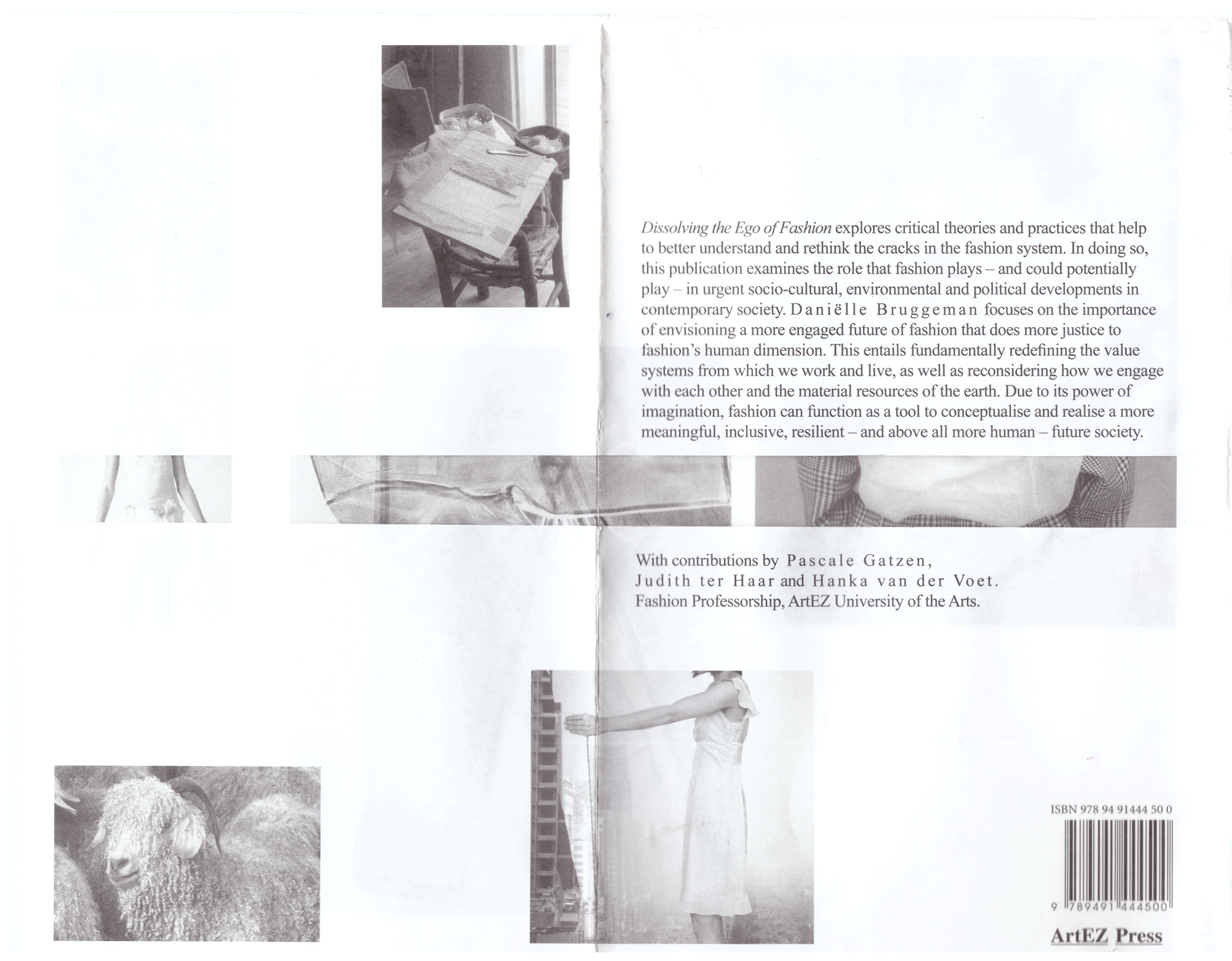
『Dissolving the Ego of Fashion: Engaging with Human Matters(패션의 에고를 해체하다: 인간과 물질의 문제에 개입하기)』의 저자 다니엘러 브뤼허만Daniëlle Bruggeman은 오늘날 패션이 ‘자기표현’이라는 말을 전면에 내세우지만, 그 과정에서 정작 인간과 물질을 뒤로 밀어내고 있다고 말한다. 패션은 정말 우리를 표현하게 돕는가, 아니면 패션 시스템 자신을 유지하게 만드는가.
패션은 정체성의 슈퍼마켓이다
우리는 우리의 독특하고 진정한 자아를 표출하기 위해 종종 우리와 전혀 상관없는 곳에서 우리와 전혀 관련 없는 사람들이 만든 옷을 사서 입는다. 패션은 이렇게 정체성을 손쉽게 구매 가능한 것으로 바꿔 놓는다. 그러나 이러한 패션의 명령은 사실은 개개인의 자아 형성을 돕는다기보다는 패션 시스템 자신의 정체성을 유지하고 강화한다. 패션은 새로운 트렌드와 스타일을 만들어내고, 이를 통해 패션 자체의 중요성을 부각시킨다. 이것이 바로 패션의 에고the ego of fashion이다. 이러한 과정에서 인간 개개인의 자아는 소외되고, 패션 시스템은 자기 중심적이고 자기 강화적인 성격을 보인다.
“패션은 끊임없이 자신을 형성하고, 재구성하는 시스템이다. 그것은 자신의 ‘나’를 만든다. 이런 의미에서 패션은 ‘나’의 환상적 구성인 ‘에고(Ego)’를 가지고 있다. 현재의 시스템은 자체적인 규범, 이상, 원칙을 가지고 선형적이고 계층적이며 자생적인 것으로 이해될 수 있다. 따라서 사회문화적, 정치적, 환경적 도전이 많은 사회에서 패션은 항상 자신의 자아 창조와 관련되어 있다: 그것은 그것이 무엇이고 무엇을 의미하는지에 대한 끊임없는 재정의이다.”1
‘물질을 무시하는 물질중독’의 역설
이 책의 저자 다니엘러 브뤼허만Daniëlle Bruggeman은 패션의 에고가 패션의 물질적 차원을 무시한다고 비판한다. 그런데 패션은 너무나 물질적인 산업 아닌가? 물질과 외모에 집착하는 사람을 비꼬는 표현으로 ‘머테리얼 걸Material Girl’이라는 말을 들어본 적이 있을 것이다. 옷은 물질이고, 패션은 끝없이 물건을 만들어 판다. 왜 저자는 패션이 물질을 “무시한다”고 말할까?
사실 패션이 생산하는 것은 천과 실과 같은 물질 자체라기보다, 그 위에 붙는 상징, 즉, 취향, 지위, 코드, 이미지 같은 것들이다. 패션 소비가 보여주는 건 단순한 ‘물질 집착’이 아니라, 오히려 물질 너머의 상징 가치에 대한 집착일 때가 많다. 그리하여 저자는 이렇게 말한다. 물질은 더 중요해질 자격이 있다Matter deserves to matter more. 왜냐하면 옷의 물질성은 패션 시스템의 ‘에고’가 만들어내는 이미지나 코드보다 먼저, 우리의 피부에 닿고 몸과 상호작용하며 그렇기에 우리의 삶으로 이어지는 가장 직접적인 통로이기 때문이다.
패션의 에고는 비물질적 의미, 컨셉과 코드로 가득한 것들로 구성되어 있다. 동시에, 패션의 에고는 매우 물질적이며, 과도하게 소비를 위한 물질적 제품에 중독되어 있다. 여기에 패러독스가 있다. 패션이 아무리 물질적일지라도, 실제적인 물질 존재들은 더욱 더 보살핌을 필요로 한다. 패션의 자본주의적 에고는 실제적 물질과 패션의 물질성을 쓸모없고, 가치없고, 상업적 목표에 오염된 어떤 것으로 만들어버린다. 물질은 더 중요해질 자격이 있다. 2
패션의 에고를 해체하는 전략들
그렇다면 우리는 현재의 패션 시스템이 아닌 다른 어떤 것을 상상할 수 있을까? 이 책에서는 대안적 실천을 세 가지 측면에서 논의한다.
1. 패션 시스템에 대한 질문하기
2. 인간의 가치와 주체성을 회복하기
3. 물질과 인간의 관계 재설정하기
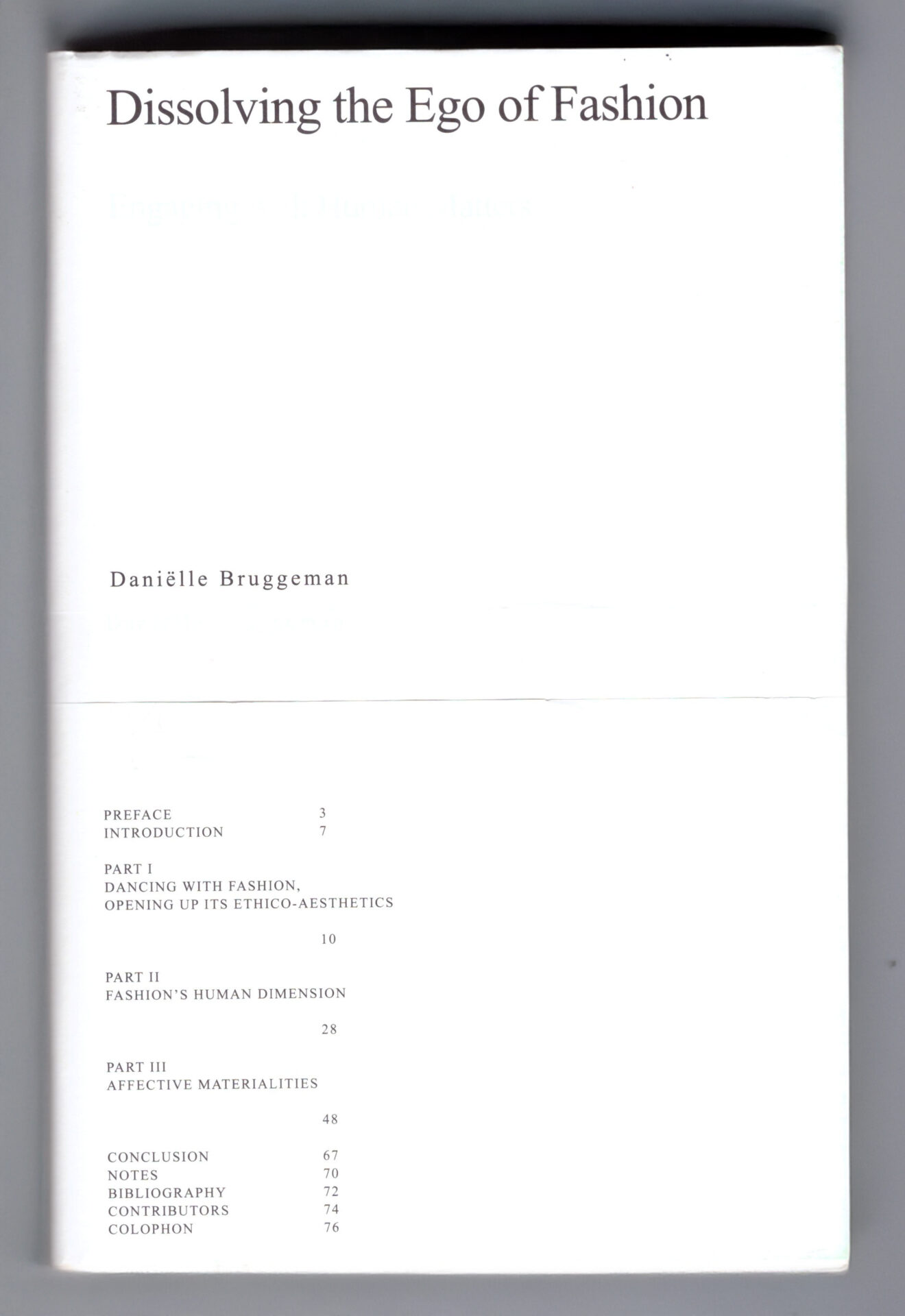
각 파트는 철학적 개념을 제시하면서도, 실제 디자이너와 프로젝트 사례를 이미지와 함께 보여준다.
패션 시스템에 대한 질문하기:
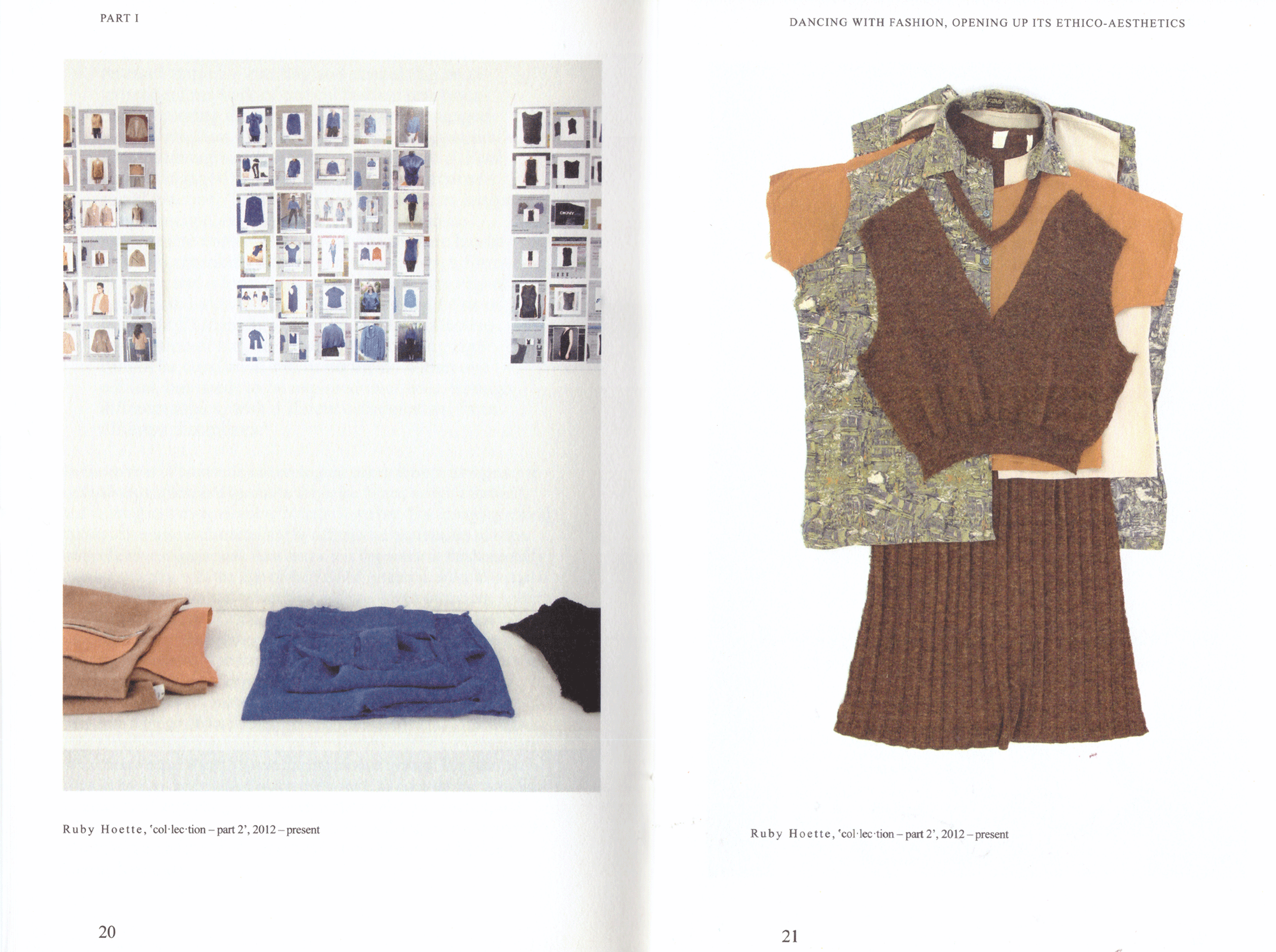
파트 1에서 저자는 거대 기업이나 브랜드가 주도하는 위계적인 패션 시스템을 비판하고, 이러한 패션 시스템에 질문을 던지는 디자이너들의 작업을 소개하고 있다. 예를 들어, 디자이너 엘리사 반 욜런Elisa van Joolen은 ‘Invert Footwear’ 프로젝트에서 기존의 나이키와 컨버스 신발을 뒤집어 재봉선과 제작 과정을 드러내어 브랜드 가치와 생산 과정을 다시 보게 하는 질문을 던진다.
© ArtEZ Press
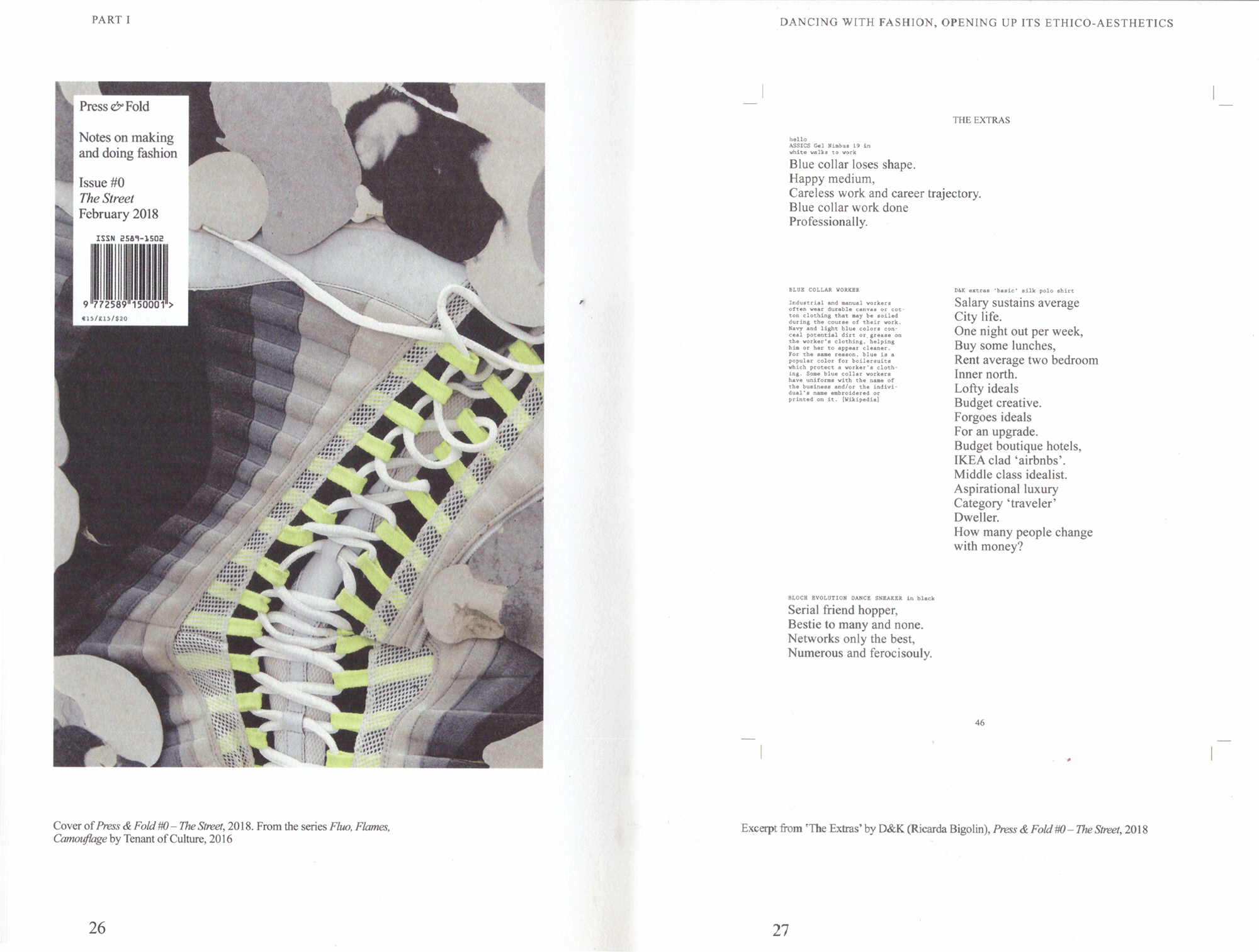
또한 한카 반 데르 부트Hanka van der Voet는 잡지 『Press & Fold』의 편집장으로서, 광고나 판매 중심의 기존 패션 미디어에서 벗어나 옷의 제작과 맥락에 관한 담론을 형성하는 독립적 플랫폼을 구축하고자 한다.
© ArtEZ Press
패션의 인간적인 가치와 주체성 회복하기:
두 번째 파트에서는 옷의 착용자(사용자)가 단순히 소비자가 아니라 옷과 관계를 맺는 행위자가 되는 작업들을 소개한다. 직접 옷을 만들어 입거나 수선하는 실천은 우리의 몸을 단순히 ‘시각적 이미지를 투사하는 빈 서판’으로 보는 시각에서 벗어나, 세상을 느끼고 자신을 인식하는 ‘살아있는 신체적 경험’으로서의 패션을 제안한다. 이를 위해 개념적으로는 메를로-퐁티의 체화Embodiment, 조너선 채프먼Jonathan Chapman의 감정적으로 내구성 있는 디자인Emotionally Durable Design 등 철학에서부터 디자인 이론에 이르기까지 다양한 개념을 소개하고 있다.
물질과 인간의 관계 재설정하기:
마지막 파트에서 저자는 신유물론 철학을 통해 물질의 능동성과 인간과의 상호작용을 강조한다. 신유물론은 물질이 단순히 수동적인 객체가 아닌, 능동적으로 작용하는 행위성agency을 가지고 있다고 본다. 이 관점은 패션을 “소비의 대상”에서 “상호작용의 매개”로 바꾸는 철학적 기반이 된다. 우리는 물질을 지배하는 것이 아니라, 물질과 함께 살고 물질의 영향을 받는다. 예를 들어 아티스트 디아나 셰러Diana Scherer는 식물이 자랄 수 있는 기하학적 패턴이 있는 판을 만들어, 그 틀 안에서 자란 식물의 뿌리 자체가 패턴이 있는 텍스타일로 활용되도록 하는 실험을 한다. 여기서 ‘패턴을 만든다’는 행위는 인간의 디자인만으로 완성되지 않는다. 자라는 뿌리의 힘, 시간, 환경이 함께 개입하면서, 물질이 어떤 방식으로 결과를 만들어내는지에 따라 결과가 달라진다.
패션은 관련된 모든 사람들과 물질들과 다시 결합하기 위해 그것의 변혁적 잠재력을 열 필요가 있다. 인간관계, 자기표현, 사회적 상호작용, 문화적 가치와 주관적 정체성은 패션의 핵심이다 – 그것은 우리가 어떻게 살고 서로 상호 작용하는가, 그리고 우리가 지구의 물질적 자원에 어떻게 관여하는가에 관한 것이다. 3
조금 더 사람답고 친근한 패션의 얼굴을 그리며
이 책은 패션을 단순한 스타일이나 소비의 문제가 아니라, 사회적·문화적·철학적 문제로 다룬다. 동시에 개념에만 머물지 않고, 네덜란드에서 최근 몇 년 사이 대두된 대안적이고 지속 가능한 패션 실천을 구체적인 사례로 보여준다. 특히 저자 다니엘러 브뤼허만은 패션이 단순한 소비의 도구가 아니라 인간적인 가치를 지닌, 그리고 구체적인 물질성을 지닌 상호작용의 매개체로 인식되기를 희망한다.
내가 지금 “나를 표현한다”고 믿는 방식은, 정말 내 자아를 풍부하게 만들고 있는가? 아니면 패션 시스템의 에고를 키우고 있는가?
글. 김연우
© Textum Club. 도서의 본문, 이미지, 표지 등 원저작물의 저작권은 해당 출판사 및 저자(권리자)에게 있습니다. 무단 복제 및 사용을 금합니다.
A Self You Can Buy
We’re all familiar with advertising slogans like “Express your true self!” or “Show the real you!”
We buy products to shape our personal taste and style, answering capitalism’s call to realize our identities through consumption. But haven’t you had moments of doubt? How can a brand that doesn’t know me insist that I need that garment to express my authentic self? And where, exactly, was that garment made—by whom—and what relationship does it really have to my life?
© ArtEZ Press
In Dissolving the Ego of Fashion: Engaging with Human Matters, Daniëlle Bruggeman argues that while contemporary fashion foregrounds the language of “self-expression,” it often pushes actual humans and material realities into the background. Does fashion truly help us express ourselves, or does it ultimately work to sustain and reinforce the fashion system itself?
Fashion as a Supermarket of Identities
To express what we believe to be our unique, authentic selves, we often buy and wear clothes made in places that have nothing to do with us, by people we will never meet. In this way, fashion turns identity into something that can be purchased with remarkable ease. Yet the imperative that fashion issues— buy in order to become yourself—does not so much support the formation of individual selves as it sustains and strengthens the identity of the fashion system itself.
Fashion continuously generates new trends and styles, and in doing so it repeatedly reasserts its own significance. This is what Bruggeman calls the ego of fashion. In that process, individual selves are pushed to the margins, while the fashion system reveals itself as self-centered and self-reinforcing.
It is a system that incessantly forms, shapes and (re)constructs itself; it creates its own ‘I’. In this sense, fashion has an Ego, which is an illusionary construction of I. The current system could be understood as linear, hierarchical and self-sustaining with its own norms, ideals and principles. In a society with many urgent socio-cultural, political and environmental challenges, fashion is thus always engaged with its own Ego-creation: it is a constant redefinition of what it is and means. 1
The Paradox of “Material Addiction that Disregards Materiality”
Daniëlle Bruggeman argues that the ego of fashion ends up disregarding fashion’s material dimension. At first, this sounds counterintuitive. Isn’t fashion an intensely material industry? You may have heard the phrase “material girl”, often used sarcastically to describe someone supposedly obsessed with possessions and appearance. Clothes are material objects, and fashion endlessly manufactures and sells things. So why does Bruggeman claim that today’s fashion system “disregards” materiality?
Because what fashion primarily produces is not material in the straightforward sense of cloth and thread, but the symbolic layer attached to them: taste, status, codes, images. What fashion consumption reveals, then, is not simply an attachment to “stuff,” but a fixation on the inflated symbolic value that hovers above material things. This is why Bruggeman insists: “Matter deserves to matter more.” The materiality of clothing precedes the images and codes generated by the fashion system’s ego—it touches our skin, interacts with our bodies, and becomes the most direct channel through which clothing connects to our everyday lives.
The constructed Ego of fashion consists of an abundance of non-material meanings, concepts and codes. At the same time, the Ego of fashion is highly materialistic, excessively obsessed with material products to consume. There is a paradox here. While fashion is materialistic, actual material things urgently need more care. Fashion’s capitalist Ego reduces the actual matter and materiality of fashion to something worthless, valueless, exploited for commercial aims. Matter deserves to matter more.2
Strategies for Dissolving the Ego of Fashion
So, can we imagine something other than the fashion system as it exists today? This book discusses alternative practices from three angles:
1. Questioning the fashion system
2. Restoring human value and subjectivity
3. Reconfiguring the relationship between materials and humans
Each section introduces philosophical concepts while also presenting real designers and projects, accompanied by images.
1) Questioning the fashion system
In Part 1, Bruggeman critiques the hierarchical fashion system led by large corporations and brands, and introduces designers whose work actively interrogates that system. For example, designer Elisa van Joolen, in her project Invert Footwear, turns existing Nike and Converse shoes inside out to expose seams and traces of construction—posing a pointed question that forces us to look again at brand value and the processes of production.
© ArtEZ Press
Hanka van der Voet, meanwhile, as editor-in-chief of Press & Fold magazine, seeks to build an independent platform that moves away from advertising- and sales-driven fashion media, and instead cultivates discourse around how garments are made and the contexts they carry.
© ArtEZ Press
2) Restoring fashion’s human value and subjectivity
Part 2 focuses on practices in which the wearer (or user) becomes more than a consumer—becoming an agent who forms an active relationship with clothing. Making one’s own clothes, or repairing and darning them shifts fashion away from viewing the body as a “blank surface” for projecting visual images, and toward fashion as a living, embodied experience through which we sense the world and come to know ourselves. To articulate this, the book draws on a range of frameworks from philosophy to design theory, including Merleau-Ponty’s notion of embodiment and Jonathan Chapman’s concept of emotionally durable design.
3) Reconfiguring the relationship between materials and humans
In the final part, Bruggeman turns to new materialist philosophy to emphasize the agency of matter and its interaction with human life. New materialism understands matter not as a passive object, but as something that acts—something with agency. This perspective provides a philosophical basis for shifting fashion from a mere “object of consumption” into a medium of interaction. We do not simply master materials; we live with them, and we are shaped by them.
For instance, the artist Diana Scherer creates template boards inscribed with geometric patterns, guiding plant growth so that the roots that develop within the structure can be used as a patterned textile. Here, “making a pattern” is not completed by human design alone. The force of growing roots, time, and environmental conditions all intervene—and depending on how matter participates in producing the outcome, the result itself changes.
Fashion needs to open up its transformative potential in order to re-engage with all the people and materials involved. Human relations, self-expression, social interaction, cultural values and subjective identity are at the heart of fashion – it is about how we live and interact with each other, and how we engage with the material resources of the earth.3
Toward a More Humane, Relational Fashion
This book approaches fashion not merely as a matter of style or consumer behavior, but as a field of deep social, cultural, and philosophical significance. At the same time, it does not remain at the level of concepts: it offers concrete examples of alternative and sustainable fashion practices that have gained visibility in the Netherlands over the past few years. Above all, Daniëlle Bruggeman expresses a hope that fashion will be understood not merely as an instrument of consumption, but as a medium of interaction—one grounded in human values and in the tangible reality of materiality.
The question that lingers is a personal one: when I believe I am “expressing myself,” is that practice truly enriching my selfhood—or is it, in the end, feeding the ego of the fashion system?
Yeonwoo Kim
© Textum Club. Copyright in the original work—including the book’s text, images, and cover—remains with the publisher and the author (rightsholders). Unauthorized use is prohibited.
自我をショッピングする
「本当の自分を表現しよう」 「ありのままの自分を見せよう」——こうした広告のスローガンは、私たちにとってあまりにも馴染み深い。私たちは「自分だけの好みやスタイル」をかたちづくるために商品を買い、消費を通じて自己を実現せよという資本主義の要請に応えている。けれど、ときどきこんな疑問が湧いてこないだろうか。私のことを何も知らないブランドが、どうして「あの服を買えば本当の自分を表現できる」と言い切れるのか。そもそもその服は、どこで、誰によってつくられ、いまの私の生活とどんな関係を結んでいるのだろう。
© ArtEZ Press
『Dissolving the Ego of Fashion: Engaging with Human Matters(ファッションのエゴを解体する——人間と物質の問題に関わる)』の著者ダニエル・ブリュッへマンDaniëlle Bruggemanは、現代のファッションが「自己表現」という言葉を前面に掲げる一方で、その過程でこそ人間と物質の現実を後景へ押しやってしまう、と論じる。ファッションは本当に私たちの表現を助けているのか。それとも結局のところ、ファッション・システム自身を維持し、強化するために働いているのか。
ファッションはアイデンティティのスーパーマーケットである
私たちは、自分ならではの「本物の」自己を表出するために、しばしば自分とはまったく関係のない場所で、私たちとは縁のない人々がつくった服を買い、身にまとう。ファッションはこのようにして、アイデンティティを驚くほど手軽に「購入できるもの」へと変えてしまう。だが、ファッションが私たちに突きつけるこの命令——「買うことで自分になれ」——は、個々人の自己形成を助けるというよりも、むしろファッション・システム自身のアイデンティティを維持し、強化するために働いている。ファッションは新たなトレンドやスタイルを絶えず生み出し、それによってファッションそのものの重要性を繰り返し強調する。これこそが、いわゆる「ファッションのエゴthe ego of fashion」である。こうした過程のなかで、個々の人間の「自我」は周縁へと追いやられ、ファッション・システムは自己中心的で自己強化的な性格を露わにしていく。
それは、絶えず自らを形成し、形づくり、(再)構築しつづけるシステムであり、みずからの「自己」をつくり出す。そういう意味で、ファッションにはエゴがある――それは「自己(I)」というものの、幻影的につくられた構築物である。現在のシステムは、固有の規範・理想・原理を備えた、線形で階層的かつ自己維持的なものとして理解できるだろう。社会文化的・政治的・環境的に切迫した課題が数多くある社会において、ファッションはつねにこの「自己」創出に関与しつづける。すなわち、ファッションが何であり、何を意味するのかを絶えず定義し直す営みなのである。1
「物質を無視する物質中毒」という逆説
本書の著者ダニエル・ブリュッへマンDaniëlle Bruggemanは、ファッションのエゴが、ファッションの物質的な次元を後景へ押しやっていると批判する。だが、それは一見すると奇妙にも思える。ファッションはあまりにも物質的な産業ではないか。物や外見に執着する人を皮肉って「マテリアル・ガール(Material Girl)」と言うこともある。服はまぎれもなく物質であり、ファッションは際限なくモノをつくり、売り続けている。では、なぜ著者はファッションが物質を「無視する」と言うのだろうか。
実のところ、ファッションが主に生み出しているのは、布や糸といった物質そのものというよりも、その上に付与される象徴——すなわち、趣味、地位、コード、イメージといったものだ。ファッション消費が示しているのは、単なる「物質への執着」ではなく、むしろ物質の向こう側に膨らんだ象徴的価値への執着であることが多い。だからこそ著者はこう述べる。「物質は、もっと重要視されるべきだMatter deserves to matter more。」衣服の物質性は、ファッション・システムの「エゴ」が生み出すイメージやコードに先立って、私たちの肌に触れ、身体と相互作用し、ひいては日々の生活へとつながっていく——その最も直接的な通路なのだから。
ファッションが構築するエゴは、非物質的な意味、概念、コードの過剰な集積によって成り立っている。ところが同時に、そのエゴはきわめて物質主義的でもあり、消費すべき物質的なプロダクトに過度に執着している。ここには逆説がある。ファッションが物質主義的である一方で、現実の物質的なものこそ、いま切実により多くのケアを必要としているのだ。ファッションの資本主義的エゴは、ファッションの実際の物質Matterと物質性Materialityを、無意味なものとして矮小化し、価値を認めないまま、商業目的のために搾取する。物質Matterは、もっと重視されるMatterべきだ。2
ファッションのエゴを解体するための戦略
では、私たちは現在のファッション・システムとは異なる何かを想像できるだろうか。本書は代替的な実践を、次の三つの側面から論じている。
1. ファッション・システムに問いを投げかけること
2. 人間の価値と主体性を回復すること
3. 物質と人間の関係を再設定すること
各パートは哲学的な概念を提示しつつ、実際のデザイナーやプロジェクトの事例を画像とともに紹介している。
1)ファッション・システムに問いを投げかける
パート1では、巨大企業やブランドが主導する階層的なファッション・システムを批判し、そのシステムに疑問を突きつけるプロジェクトを取り上げる。たとえばデザイナーのエリサ・ファン・ヨーレンElisa van Joolenは「Invert Footwear」プロジェクトにおいて、既存のナイキやコンバースの靴を“裏返し”にして縫い目や制作の痕跡を露わにし、ブランドの価値や生産プロセスを改めて見直すための問いを投げかける。
© ArtEZ Press
またハンカ・ファン・デル・フートHanka van der Voetは、雑誌『Press & Fold』の編集長として、広告や販売を中心とする従来のファッション・メディアから距離を取り、衣服の制作や文脈をめぐる議論を形づくる独立したプラットフォームの構築を目指している。
© ArtEZ Press
2)ファッションにおける人間的価値と主体性を回復する
第二のパートでは、衣服の着用者(ユーザー)が単なる消費者ではなく、服と関係を結ぶ行為者となる実践が紹介される。自ら服をつくって着たり、修繕したりする行為は、身体を「視覚的イメージを投影するための空白のスクリーン」とみなす見方から離れ、世界を感じ取り自己を認識する「生きた身体経験」としてのファッションを提案する。そのために本書は、メルロ-ポンティの身体化embodimentや、ジョナサン・チャップマンJonathan Chapmanのエモーショナルに耐久するデザインEmotionally Durable Designなど、哲学からデザイン理論に至る多様な概念を導入している。
3)物質と人間の関係を再設定する
最後のパートでは、著者は新唯物論の哲学を手がかりに、物質の能動性と人間との相互作用を強調する。新唯物論は、物質を単なる受動的な対象としてではなく、能動的に働く行為性agencyをもつものとして捉える。この視点は、ファッションを「消費の対象」から「相互作用の媒介」へと転換するための哲学的基盤となる。私たちは物質を一方的に支配するのではなく、物質とともに生き、物質の影響を受けてもいるのだ。
たとえばアーティストのディアナ・シェラーDiana Schererは、植物が成長できる幾何学的パターンを刻んだテンプレートを制作し、その枠組みの中で伸びた植物の根そのものが、パターンをもつテキスタイルとして活用されるような実験を行っている。ここで「パターンをつくる」という行為は、人間のデザインだけで完結しない。伸びていく根の力、時間、環境が同時に介入し、物質がどのように結果を生み出すかによって、出来上がるものも変わっていく。
ファッションは、関わるすべての人々と素材にあらためて向き合い直すために、その変容の可能性を開いていく必要がある。人間関係、自己表現、社会的な相互作用、文化的価値、そして主観的なアイデンティティは、ファッションの核心にある。ファッションとは、私たちがどのように生き、互いに関わり合うのか、そして地球の物質的資源とどのように関わるのか、そのあり方に関わる営みなのである。3
もう少し人間らしく、親しみのあるファッションの顔を描きながら
本書はファッションを、単なるスタイルや消費の問題としてではなく、社会的・文化的・哲学的な問題として捉えている。同時に、概念の提示にとどまらず、ここ数年オランダで台頭してきた代替的で持続可能なファッション実践を、具体的な事例として示していく。とりわけ著者ダニエル・ブリュッへマンは、ファッションがただの消費の道具ではなく、人間的な価値を帯び、そして具体的な物質性を伴った相互作用の媒介として理解されることを願っている。
では、いま私が「自己表現」だと信じているそのあり方は、本当に私の自我を豊かにしているのだろうか。——それとも、ファッション・システムのエゴを肥大させているだけなのだろうか。
キム・ヨヌ
© Textum Club. 書籍本文・画像・表紙等の原著作物に関する著作権は、当該出版社および著者(権利者)に帰属します。無断使用を禁じます。
-
Daniëlle Bruggeman, Dissolving the Ego of Fashion: Engaging with Human Matters (ArtEZ Press, 2018), 7.
-
Ibid., 49.
-
Ibid., 8.
-
Daniëlle Bruggeman, Dissolving the Ego of Fashion: Engaging with Human Matters (ArtEZ Press, 2018), 7.
-
Ibid., 49.
-
Ibid., 8.
-
Daniëlle Bruggeman, Dissolving the Ego of Fashion: Engaging with Human Matters (ArtEZ Press, 2018), 7.
-
Ibid., 49.
-
Ibid., 8.